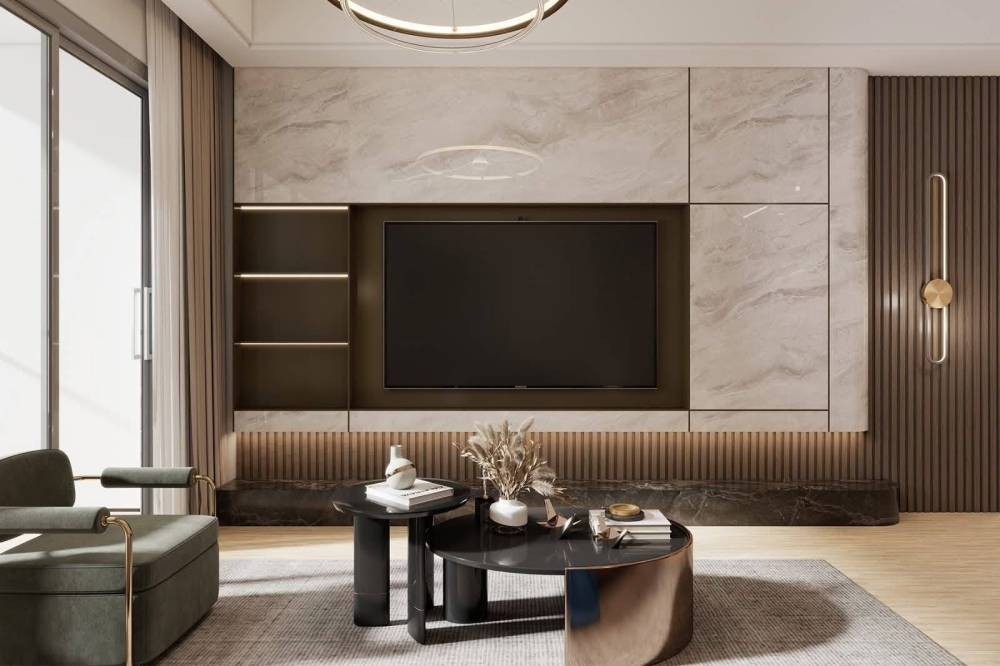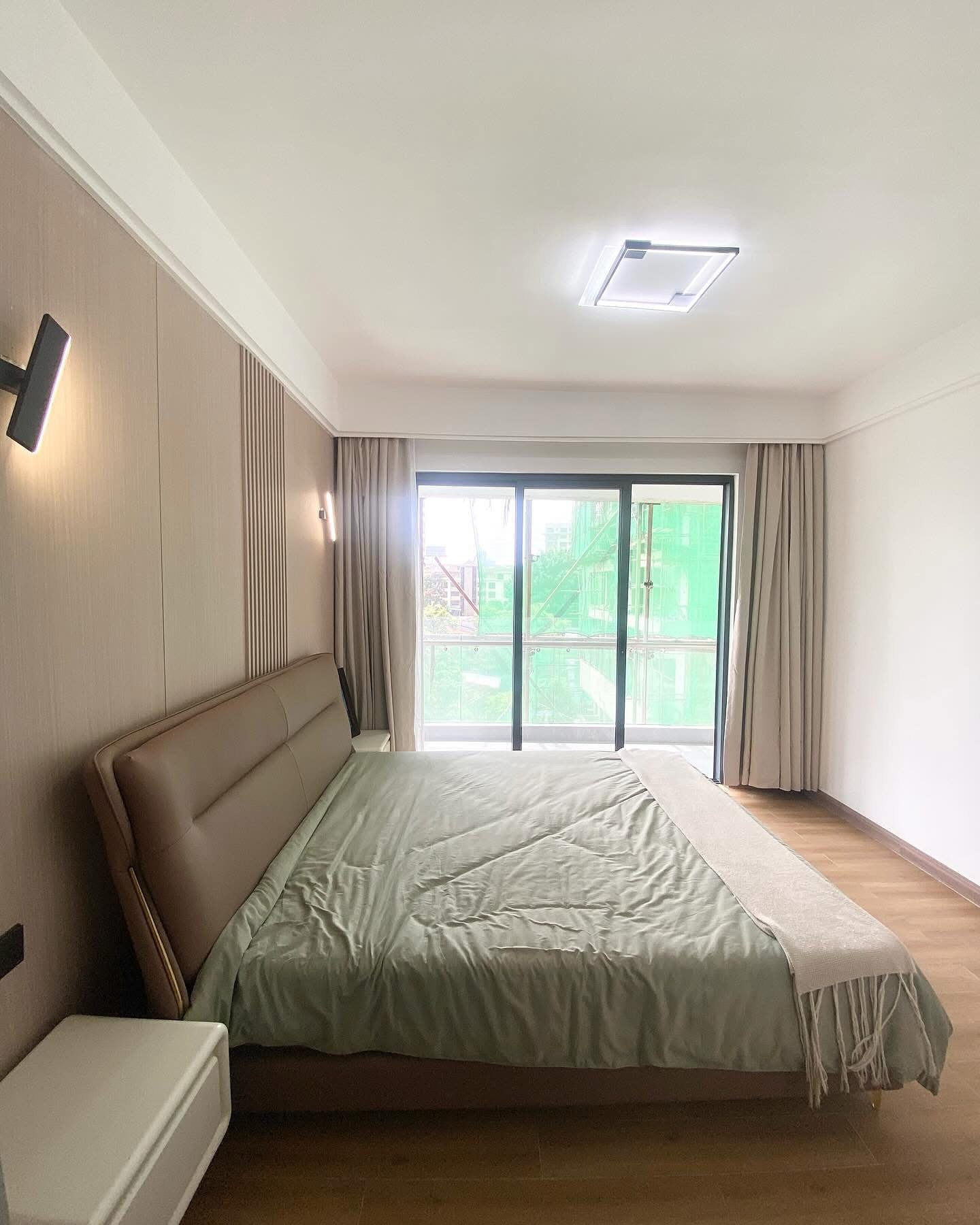
In Nairobi real estate hierarchy, Kilimani has solidified its status as the city's primary "Vertical Residential Node." While Westlands captures the corporate headquarters and Tatu City offers infrastructure sovereignty, Kilimani remains the absolute Yield Workhorse for the middle-class and expatriate rental market.
However, the 2026 landscape is no longer about speculative "buy and pray" land banking. We have entered an era of Asset Bifurcation. Older, poorly managed blocks are seeing 15% vacancy rates, while "Tier 1 Integrated" developments are commanding waitlists.
This audit decodes the Kilimani real estate market trends 2026, providing institutional-grade data for investors targeting apartments for sale in Kilimani.
1. Macro View: From Growth to Maturity
Kilimani has reached its "Vertical Ceiling." By Q1 2026, the Nairobi County Government’s revised zoning policy (following the 2025 Court of Appeal directives) has capped heights in most of Kilimani to 15–20 floors. This has finally put a lid on the infinite supply loop, stabilizing capital appreciation for early movers.
Market Drivers in 2026
-
The "Micro-Retail" Explosion: Ground-floor retail integration is now a mandatory survival feature. Tenants no longer want to drive to Yaya Centre; they want the pharmacy and grocery store in their lobby.
-
The Expatriate "Downsize": UN and diplomatic staff are increasingly trading the high-maintenance villas of Lavington for "Lock-and-Leave" luxury penthouses in Kilimani.
-
ArdhiSasa Maturity: In 2026, title verification in Kilimani takes 48 hours, not 6 months. This has boosted transaction velocity by 40% year-on-year.
2. Yield Engineering: The 2026 ROI Blueprint
In 2026, we measure returns using the Net Adjusted Yield (Y_n). In a high-density environment like Kilimani, your gross yield is a vanity metric. What matters is the income left after the "Density Premium" (elevated service charges for lift maintenance and security).
Kilimani Asset Class Performance (2026 Data)
| Unit Type | 2026 Entry Price | Monthly Rent (Unfurnished) | Net Annual Yield | Strategic Use Case |
| Studio (45 sqm) | KES 5.5M - 6.5M | KES 55,000 | 10.2% | High-churn Airbnb / Short-stay |
| 1-Bedroom (70 sqm) | KES 8.5M - 10M | KES 85,000 | 9.1% | Young Professionals / "Pads" |
| 2-Bedroom (105 sqm) | KES 11M - 14.5M | KES 115,000 | 8.5% | Small families / Long-term |
| 3-Bedroom (180 sqm) | KES 22M - 28M | KES 190,000 | 7.2% | Expatriate / Corporate Leases |
The 2026 ROI Formula
To calculate your true performance, apply the Vacancy Weighted Return formula:

Analyst Note: In 2026, units along Kindaruma Road and Chania Avenue are seeing the highest "Yield Compression" due to oversupply. To hit the 10% mark, investors are moving toward serviced apartment management models.
3. The Sectional Title Non-Negotiable
If you are vetting investment property for sale in Kilimani in 2026, the "Sub-lease" is a liability. Under the Sectional Properties Act 2020, the 2026 market has completely phased out legacy mother-titles for high-rise blocks.
The ArdhiSasa Compliance Checklist
-
Sectional Plan Georeferencing: Ensure the unit’s specific 3D coordinates are uploaded to the National Land Information Management System.
-
Corporation Registration: Does the building have an active Body Corporate? In 2026, buildings without a registered corporation are seeing a 20% drop in resale value because they cannot be financed by Tier 1 banks.
-
Apportionment of Rates: 2026 law requires individual unit owners to have separate land rate accounts. Buying a unit where the "mother title" still owes millions to the County is an immediate deal-breaker.
4. Utility Sovereignty: The "Off-Grid" Premium
Nairobi's 2026 infrastructure strain means that a "luxury" apartment without its own utility stack is actually a "Sub-Prime" asset.
-
Water Autonomy: Kilimani’s groundwater has high fluoride levels. In 2026, the market leaders are developments with centralized Reverse Osmosis (RO) plants that provide potable water directly to the taps.
-
Energy Resilience: With electricity costs peaking, buildings with Solar Battery Energy Storage Systems (BESS) for common areas are saving residents up to KES 8,000 per month in service charges.
-
Waste Management: Look for projects with onsite Biodigesters. High-density Kilimani cannot rely on municipal sewage alone in 2026.
5. The "Airbnb" Bubble vs. The Serviced Reality
Kilimani is the capital of short-term rentals in East Africa. However, the "side-hustle" Airbnb host is being priced out by professional management firms.
2026 Short-Stay Metrics
-
Average Daily Rate (ADR): KES 6,500 - 8,500 for a 1-bed.
-
Occupancy Floor: 62% (Anything lower results in a negative yield after turnover costs).
-
The "Experience" Tax: Units without a high-speed fiber backbone (minimum 100Mbps) or "Insta-worthy" rooftop amenities are seeing occupancy drop to 30%.
6. Where to Deploy Capital in Kilimani?
In 2026, the "Golden Triangle" of Kilimani (the area bounded by Denis Pritt, Ngong Road, and Lenana Road) remains the safest bet for capital preservation.
The 2026 Execution Strategy:
-
Avoid: Massive 300-unit "Shoebox" blocks with only two elevators. These are the "Ghost Slums" of the future.
-
Acquire: Boutique developments (under 60 units) that prioritize privacy and high-spec finishing.
-
Exit: Sell legacy 3-bedroom units (older than 15 years) unless they have undergone a full plumbing and electrical overhaul.
I have curated a list of three "ArdhiSasa-Clean" developments in Kilimani that are currently delivering a consistent 9.5% Net Yield. One of these projects features a 12% "Distressed Sale" discount for a bulk acquisition of 5 units.
Contact me for a technical breakdown of the Sectional Title conversion for your Kilimani portfolio.
📞 0713595863 | 0722506632