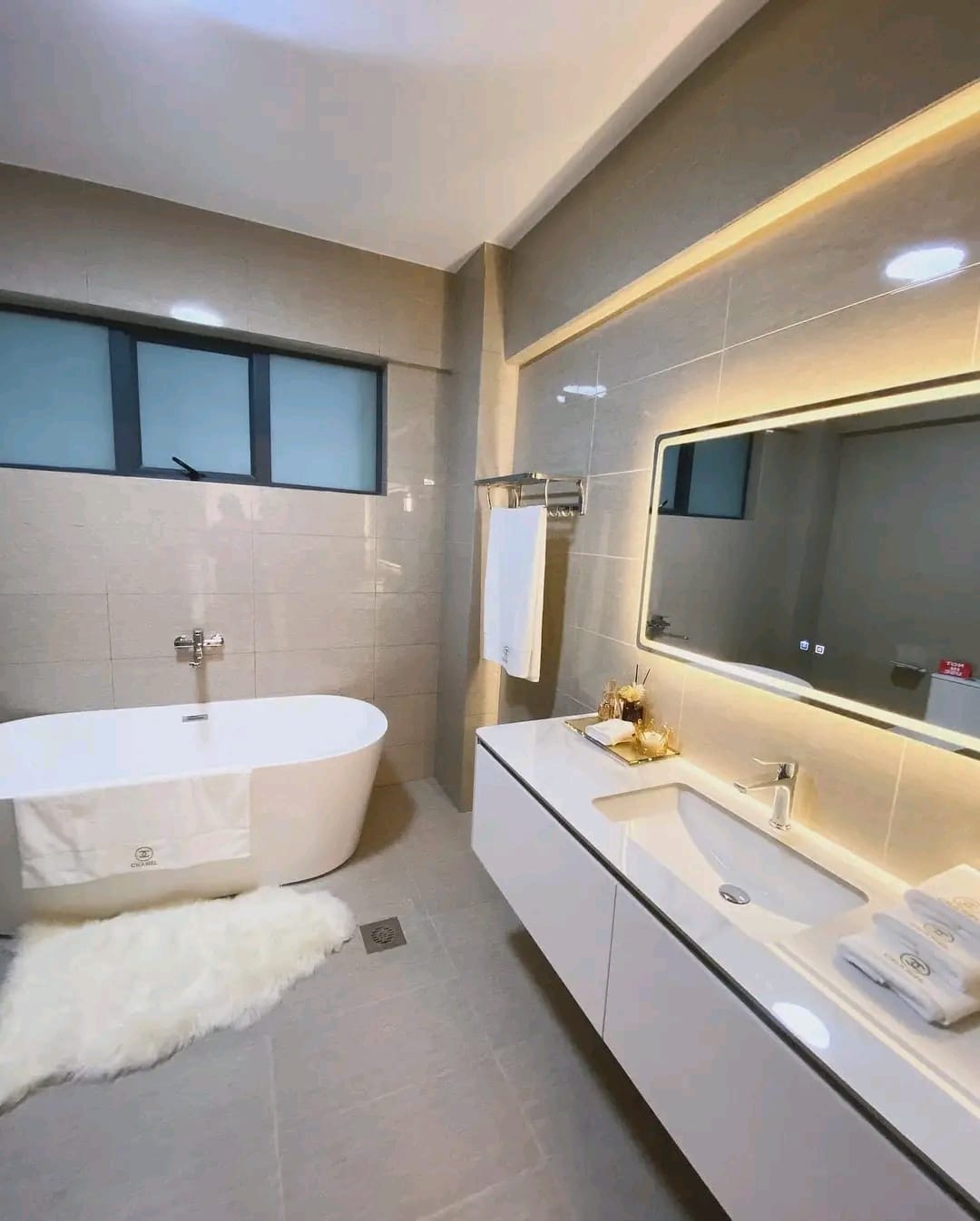
As we cross the first quarter of 2026, Kilimani has solidified its position as the "Liquidity Hub" of Nairobi’s real estate market. Unlike the ultra-premium volatility of Westlands or the capital-heavy requirements of Lavington, Kilimani offers a unique middle-ground: high density, consistent occupancy, and a entry price point that remains accessible to both local high-earners and the Kenyan diaspora.
However, the "Kilimani of 2026" is not the same market it was three years ago. The landscape is now defined by the full implementation of the Sectional Properties Act 2026, a more stringent KRA iTax regime, and the emergence of vertical ecosystems that prioritize short-stay yield over long-term capital appreciation. For the serious investor, navigating this suburb requires more than a casual glance at a brochure—it requires a clinical audit of price per square meter and net yield projections.
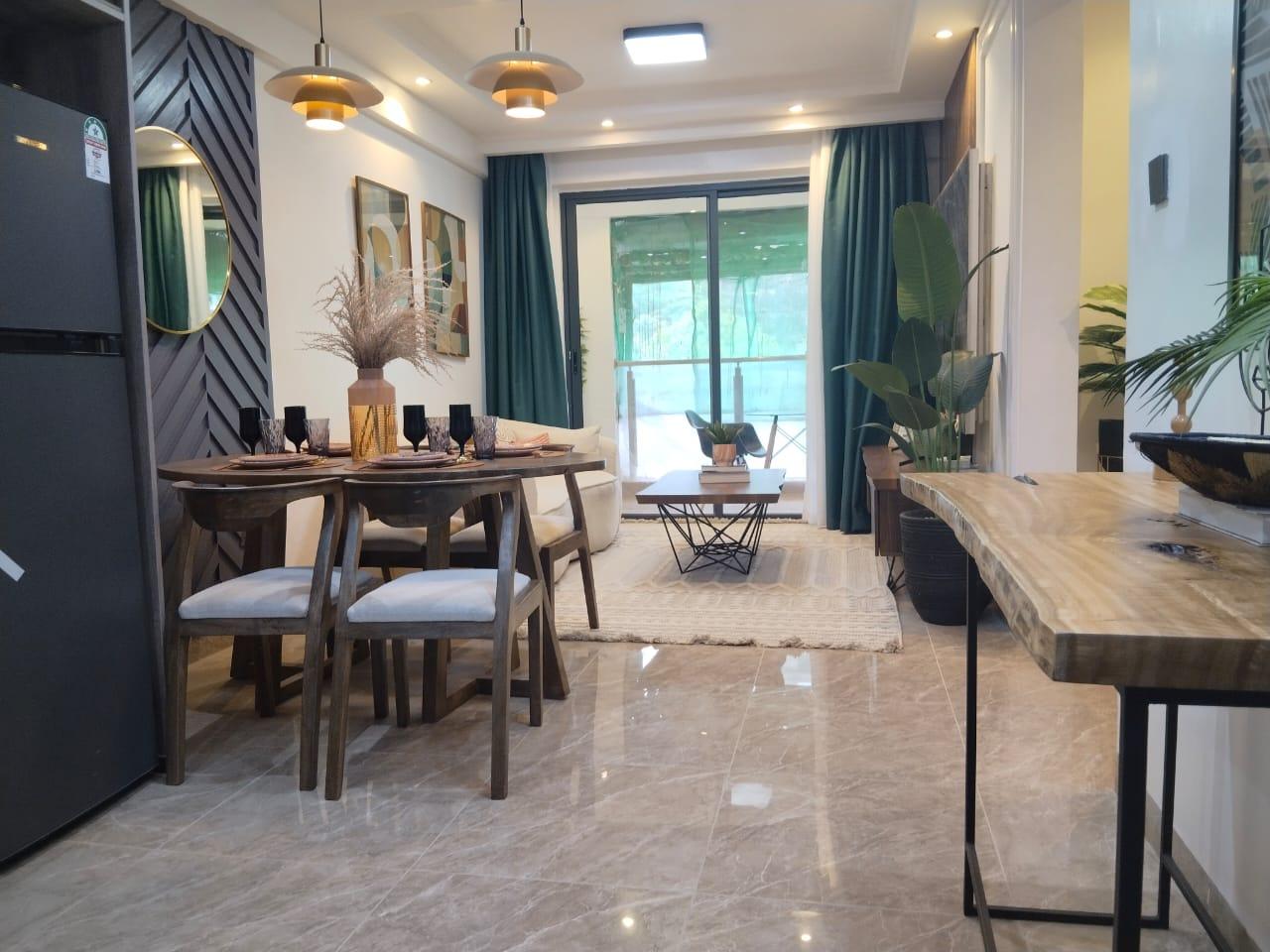
1. The Kilimani Macro-Thesis: Why This Suburb Persists
In 2026, Kilimani’s value is anchored by its "Strategic Proximity." It sits at the intersection of the CBD, Upper Hill’s financial district, and the Westlands commercial hub.
-
The Demographic Anchor: Kilimani continues to absorb the bulk of Nairobi’s "Young Professional" and "Mid-Level Expatriate" demographic. These are tenants who prioritize walkability to retail anchors like Yaya Centre and Prestige Plaza.
-
The Yield Benchmark: While capital appreciation has moderated to a steady 4% to 6% annually, rental yields—particularly for furnished units—frequently touch the 10% to 11% gross mark.
-
Regulatory Maturation: The shift from long-term leases to individual Sectional Titles has increased investor confidence, specifically regarding the ease of using Kilimani assets as collateral for financing.
2. The 2026 Price Guide: A Typology Breakdown
The "Average Price" is a misleading metric. Value in Kilimani is dictated by square footage, floor height, and amenity density.
The Modern Studio & Compact 1-Bedroom
This is the most aggressive entry point for first-time investors.
-
Price Range: KES 6.5 million – KES 9.5 million.
-
Square Footage: 45 sqm – 65 sqm.
-
Investment Profile: Primarily targeted at the short-stay (Airbnb) and corporate traveler market.
-
Performance Note: In 2026, units within walking distance of Yaya Centre command a 15% price premium due to high demand for "business traveler" accommodation.
The Standard 2-Bedroom Unit
The 2-bedroom apartment remains the "Gold Standard" for Kilimani. It offers the best balance between tenant pool diversity (couples, small families, corporate roommates) and resale liquidity.
-
Price Range: KES 10.5 million – KES 18.5 million.
-
Square Footage: 95 sqm – 130 sqm.
-
Investment Profile: Best for long-term unfurnished leases.
-
The 2026 "Standard": Premium 2-bedroom units now must include an en-suite layout for both rooms and a dedicated "work-from-home" niche to remain competitive in the rental market.
The 3-Bedroom & Duplex Segment
The 3-bedroom market in Kilimani has bifurcated. Older, larger units are struggling with high service charges, while new, high-spec towers are attracting family-oriented expatriates who want the Westlands lifestyle at a Kilimani price point.
-
Price Range: KES 16.5 million – KES 32 million.
-
Square Footage: 150 sqm – 220 sqm.
-
Investment Profile: Capital preservation and stable, long-term cash flow.
-
Penthouses: Rare 4-bedroom penthouses in Kilimani are now trading upwards of KES 45 million, though they face stiff competition from Lavington townhouses.
3. Yield Analysis: Gross vs. Net in the 2026 Tax Environment
As an analyst, I must warn investors against "Gross Yield Enthusiasm." In 2026, the gap between gross and net returns has widened due to new fiscal obligations.
-
Residential Rental Income Tax: This is currently set at 7.5% of gross rent, payable monthly. Non-compliance in 2026 results in automated penalties via the KRA’s integrated iTax-Land Registry link.
-
The 0.3% Nairobi Property Tax: The 2026 fiscal policy has introduced a recurring annual property tax of 0.3% on the improved value of the asset. For a KES 15 million apartment, this is a KES 45,000 annual holding cost.
-
Service Charge Inflation: High-spec blocks with heated pools and multi-lift systems now carry service charges ranging from KES 12,000 to KES 25,000 per month.
-
Net Yield Reality: While gross yields might show 9%, the true Net Operating Income (NOI) after tax, maintenance, and management typically sits between 5.5% and 7% for unfurnished units.
4. The Sectional Properties Act 2026 Audit
If you are buying an apartment in Kilimani today, the technicality of the title is more important than the quality of the kitchen cabinets.
-
Mandatory Conversion: Under the 2026 regulatory framework, the old "long-term leases" are being phased out. If a developer cannot provide proof of an ongoing conversion to a Sectional Title, the asset is high-risk.
-
The Ardhisasa Requirement: All transactions in Kilimani are now processed via the Ardhisasa platform. Investors must ensure their unit is georeferenced. Without georeferenced titles, you cannot legally sell, gift, or charge the property for a loan.
-
The Management Corporation: Upon the issuance of Sectional Titles, the "Management Company" is replaced by a "Corporation" of owners. Before buying, review the Corporation's by-laws, particularly regarding "Short-Stay/Airbnb" permissions, as many blocks are now moving to ban these to preserve residential stability.
5. Location Nuances: The Kilimani Micro-Market Strategy
Kilimani is not a monolith. Where you buy within the suburb determines your vacancy risk.
-
The "Kindaruma/Rose Avenue" Node: This is the highest-density zone. It is the heart of the short-stay market. While yields are high here, the noise levels and traffic congestion are a risk to long-term tenant retention.
-
The "Denis Pritt/State House Road" Fringe: This area is quieter and commands higher capital value. It attracts more senior corporate tenants and diplomats who work in Upper Hill.
-
The "Wood Avenue" Corridor: Ideally situated for the retail-focused tenant. Units here have the highest liquidity on the secondary (resale) market.
6. Exit Strategy: Liquidity in 2026
Investors often forget that an entry into Kilimani must have an exit plan.
In 2026, the secondary market in Kilimani is robust for units priced under KES 15 million. Above this price point, the "Time on Market" (TOM) increases significantly as buyers start to look toward Lavington or Kileleshwa for better value-for-space ratios. To ensure a fast exit, prioritize units in buildings that have an independent management company and a verified sinking fund for future structural maintenance.
The Final Verdict for 2026
Kilimani remains a "Strong Buy" for yield-focused investors and a "Moderate Buy" for those seeking capital appreciation. The key is to avoid the "Standardization Trap." Do not buy an undifferentiated 2-bedroom unit in a 15-story block with no unique selling point. Focus on tech-integrated units, Sectional Title compliance, and proximity to retail anchors.
We provide institutional-grade investment advisory for the Nairobi real estate market. Our focus is on data, not fluff; yields, not hyperbole. We help you navigate the 2026 regulatory landscape with clinical precision.
Ready to audit a potential Kilimani acquisition?
Consult with our Investment Desk : 0713595863 | 0722506632