For the high-net-worth individual (HNWI), the expatriate, or the senior corporate leader, the "Cost of Living" is not merely a tally of grocery receipts and utility bills. In the 2026 Nairobi context, it is a clinical assessment of Lifestyle Efficiency. Kileleshwa has matured into a suburb where residents trade capital for time, security, and infrastructure reliability.
This audit provides a forensic deconstruction of what it costs to occupy and thrive in Kileleshwa in 2026. We move beyond the basic consumer price index to examine the "Shadow Costs" of premium urban living—including utility redundancy, private security, and the premium for proximity to Nairobi’s economic nerve centers.
1. The Anchor: Housing and Occupancy Costs
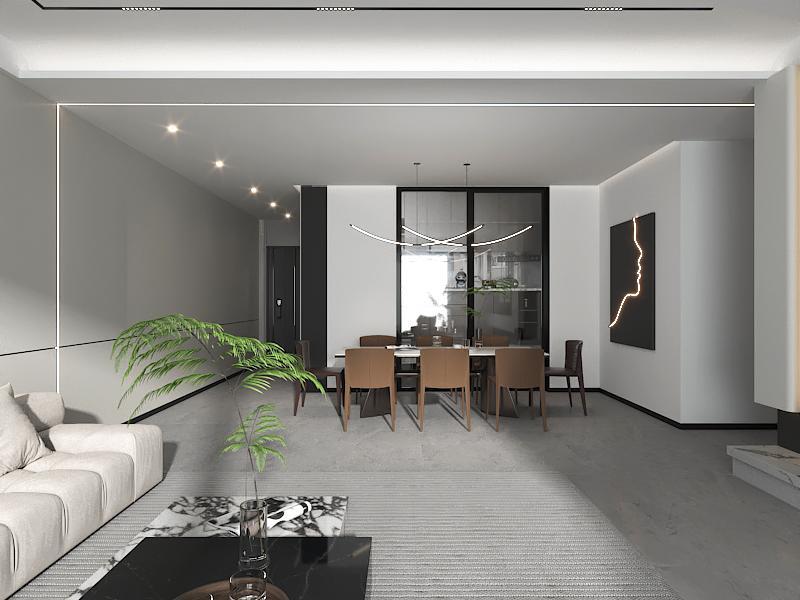
Housing remains the primary expenditure for any Kileleshwa resident. In 2026, the market has stabilized following the full implementation of the Sectional Properties Act.
The Rental Landscape
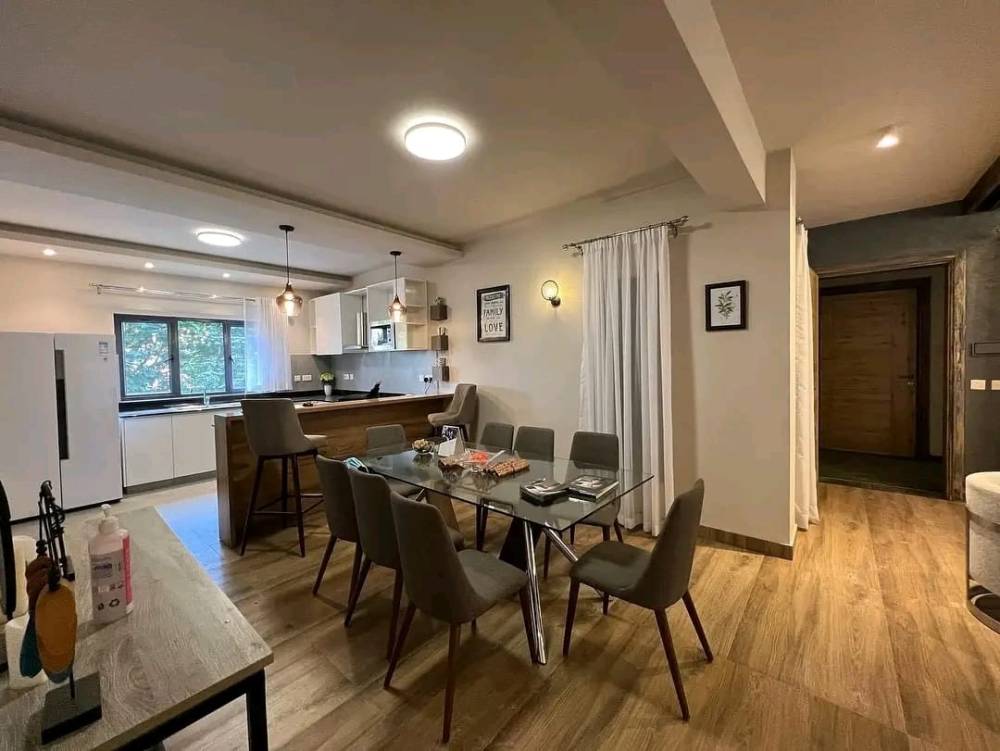
For those not looking to buy, the rental market offers a range of high-spec apartments. A standard, modern two-bedroom apartment in a building with "Utility Redundancy" (backup power and borehole water) typically commands a monthly rent of between one hundred thousand and one hundred and forty thousand shillings. For larger three-bedroom units with a domestic staff quarter (DSQ), the price floor sits at approximately one hundred and sixty thousand shillings, extending up to two hundred and fifty thousand shillings for premium duplexes or units bordering the Arboretum.
The Service Charge Factor
In 2026, the service charge is a significant component of the occupancy cost. Unlike the city’s outskirts, Kileleshwa residents pay a premium for "Building Governance." This monthly fee covers 24/7 armed security, elevator maintenance, gym management, and the operation of high-capacity backup generators. On average, residents should budget between fifteen thousand and twenty-five thousand shillings per month for service charges. In the most elite developments, this can exceed thirty thousand shillings to cover heated pools and concierge services.
2. Utility Redundancy: The Cost of "Always-On" Infrastructure
Nairobi’s municipal infrastructure in 2026, while improved, still requires a private "top-up" for consistent delivery. Living in Kileleshwa involves a conscious investment in redundancy.
Power and Energy
While the national grid is the primary source, the cost of diesel for backup generators is often factored into the service charge or billed via "tokenized" backup power systems in newer developments. Additionally, many Kileleshwa households have transitioned to solar-hybrid systems to mitigate rising electricity tariffs. A typical household budget for electricity and solar maintenance in 2026 ranges from eight thousand to fifteen thousand shillings per month, depending on the use of heavy appliances and water heating.
Water Security
Water is the "silent" cost of Kileleshwa living. While the Nairobi Water and Sewerage Company provides the baseline, almost every development relies on private boreholes. In 2026, the cost of water includes the treatment (Reverse Osmosis) required to make borehole water potable. Residents typically spend between three thousand and six thousand shillings per month on water and sewerage fees, often managed through smart meters.
3. The Premium Retail Ecosystem: Food and Groceries
Kileleshwa is served by a highly specialized retail landscape that prioritizes convenience and quality over bulk-buying discounts.
The Kasuku Centre Node
The Kasuku Centre remains the heart of Kileleshwa’s grocery economy. Home to premium supermarkets and boutique butchers, the cost of groceries here reflects a fifteen to twenty percent "Convenience Premium" compared to larger hypermarkets in the city's outskirts. For a family of four, a monthly grocery budget that prioritizes organic produce, imported goods, and high-quality proteins sits between eighty thousand and one hundred and twenty thousand shillings.
Dining and "Third Spaces"
Kileleshwa has seen a surge in boutique cafes and "bistro-style" dining along Mandera Road and Siaya Road. A standard meal for two at a mid-range Kileleshwa eatery in 2026 costs between five thousand and eight thousand shillings. For the professional, the cost of "Social Capital"—frequent meetings in high-end coffee shops—can add a further fifteen thousand shillings to the monthly expenditure.
4. Human Capital: Education and Childcare
For families, Kileleshwa’s proximity to "Tier 1" education is its greatest value proposition. However, this proximity comes with a significant price tag.
International and Private Schooling
Residents are within a ten to fifteen-minute radius of some of the continent’s most prestigious schools, including Kenton College, Braeburn, and French School (Lycée Denis Diderot). In 2026, tuition for these institutions can range from eight hundred thousand to two million shillings per academic year, depending on the grade level.
Early Childhood Development
The suburb is densely populated with high-end kindergartens and daycare centers catering to the expat and professional demographic. Monthly fees for a premium kindergarten in Kileleshwa average between forty thousand and sixty thousand shillings, often inclusive of meals and extracurricular activities.
5. Mobility: The "Expressway Premium" and Transportation
In 2026, time is the most expensive commodity in Nairobi. Kileleshwa’s location is a strategic hedge against traffic, but it requires a mobility budget.
The Toll Economy
The Nairobi Expressway has revolutionized connectivity for Kileleshwa residents. Accessing the airport (JKIA) or the southern bypass is now a twenty-minute journey via the Museum Hill or Westlands exits. However, for a frequent traveler or someone working in the Eastlands industrial zone, monthly toll charges can accumulate to between ten thousand and fifteen thousand shillings.
Private Transport and Fuel
Most Kileleshwa residents rely on private vehicles. With global fuel prices remaining volatile in 2026, a standard monthly fuel budget for a single-vehicle household, primarily commuting within the "Golden Triangle" (Kilimani, Kileleshwa, Westlands), averages between fifteen thousand and twenty-five thousand shillings.
6. Wellness and Healthcare: Private Maintenance
Kileleshwa residents prioritize "Health as Wealth," leading to a high expenditure on wellness and private medical services.
Healthcare Access
The suburb is home to several elite outpatient clinics and is minutes away from the Nairobi Hospital and Aga Khan University Hospital. While most residents carry comprehensive private medical insurance (often provided by corporate packages), out-of-pocket expenses for specialist consultations and "Wellness Checkups" in Kileleshwa’s boutique clinics can average ten thousand shillings per visit.
Fitness and Recreation
The cost of fitness is high. Membership at a premium Kileleshwa gym, featuring modern equipment and personal trainers, ranges from eight thousand to twelve thousand shillings per month. Many residents also utilize the nearby Nairobi Arboretum for outdoor recreation, which, while free for entry, often involves costs related to secure parking and personal training sessions.
7. Security: The Private Governance Surcharge
While Kileleshwa is one of the safer nodes in Nairobi, the 2026 "Security Standard" involves multiple layers of private protection.
Personal and Residential Security
Beyond the security provided in the service charge, many households invest in "Smart Home" security systems, including internal cameras and motion sensors linked to rapid response teams. The monthly subscription for a Tier 1 rapid response provider (such as G4S or SGA) in 2026 sits at approximately five thousand to eight thousand shillings.
8. Household Support: The Cost of Domestic Staff
Living in Kileleshwa typically involves employing domestic staff. In 2026, the market for "Professionalized" domestic help is competitive.
Wages and Benefits
The cost of a full-time, live-in domestic manager (housekeeper) in Kileleshwa, including NHIF and NSSF contributions as mandated by law, ranges from twenty-five thousand to thirty-five thousand shillings per month. For those employing specialized help, such as a private chef or a nanny with early childhood training, the costs can exceed fifty thousand shillings.
9. Conclusion: The Total Monthly Audit
To maintain a "Grade A" lifestyle in Kileleshwa in 2026, a single professional should budget for a monthly expenditure of approximately two hundred and fifty thousand shillings, inclusive of rent. For a family of four with two children in international schooling, the monthly "lifestyle burn rate" (including amortized tuition and high-end consumption) can easily reach six hundred thousand to eight hundred thousand shillings.
Is the Premium Worth It?
For the buy-side investor or the long-term resident, the answer is a clinical Yes. The "Cost of Living" in Kileleshwa is effectively an insurance policy against urban chaos. You are paying for the reliability of your power, the safety of your children, and the efficiency of your commute. In 2026, Kileleshwa is not the cheapest place to live in Nairobi, but it is among the most cost-effective when measured by the "Quality of Life" per shilling spent.
We believe that real estate is the foundation of lifestyle design. Understanding the cost of living is the first step in performing a true "Lifestyle ROI" analysis. We provide the data-driven insights you need to navigate Nairobi’s most exclusive neighborhoods with confidence.
Ready to move to Kileleshwa?
Book a Lifestyle and Property Orientation with Ochieng Wycliffe: 0713595863 | 0722506632