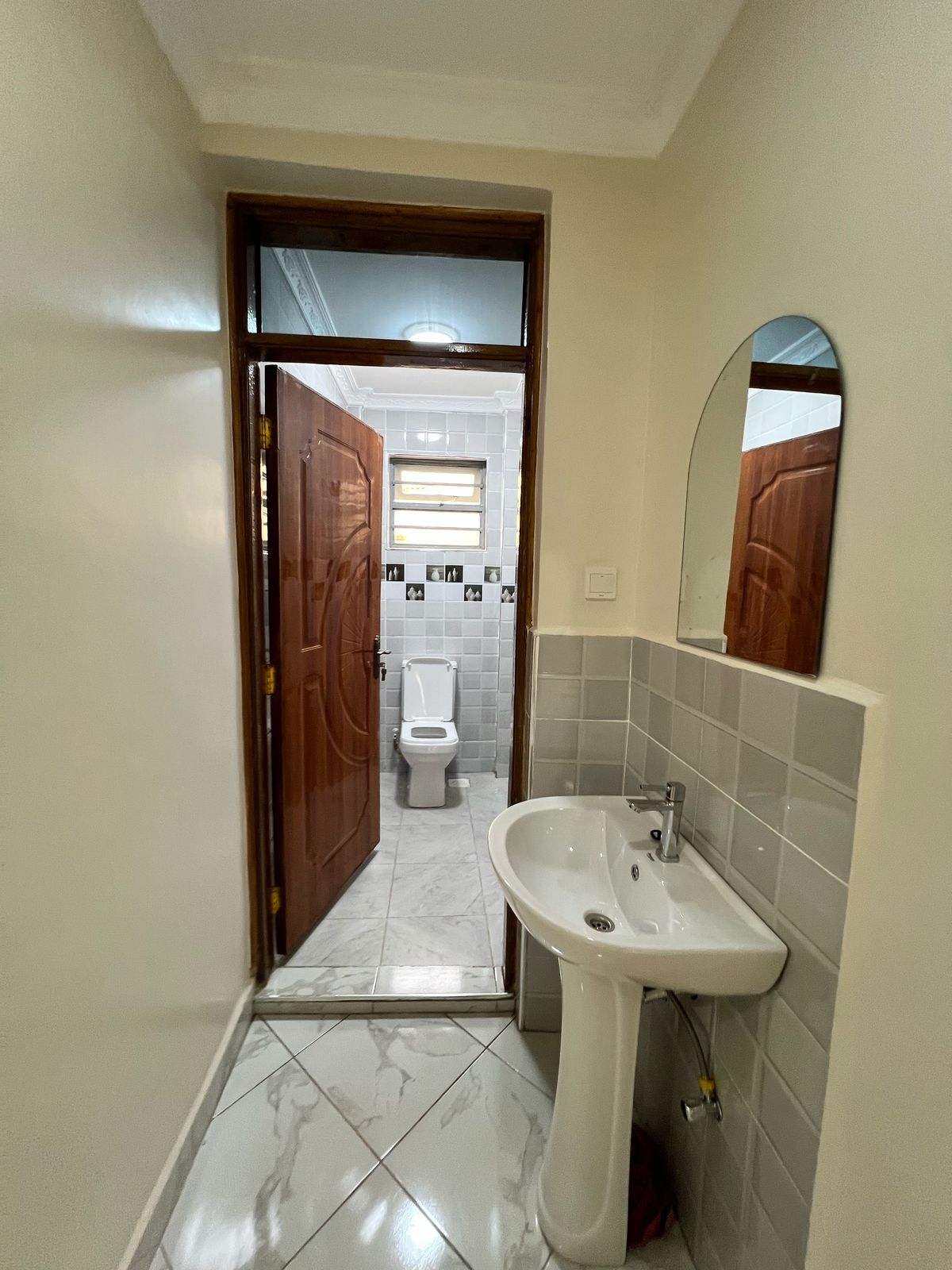
Flats commonly referred to as apartments are increasingly becoming the go-to housing option for buyers in Kenya. From Nairobi’s urban neighborhoods like Kilimani, Kileleshwa, and Westlands to emerging towns like Syokimau and Ruiru, flats offer modern living, lower maintenance costs, and a promising return on investment.But how exactly do you buy a flat in Kenya, especially if you're in the diaspora or new to the process? Let’s walk you through it.
Step-by-Step Guide to Buying a Flat in Kenya
Step 1: Define Your Budget and Location
Start by deciding how much you can afford. Flats in Nairobi, for instance, range from:
-
KES 3.5M to 6M for studio or 1-bedroom units in mid-range areas.
-
KES 7M to 15M+ for 2- and 3-bedroom apartments in high-end locations like Kilimani, Kileleshwa, and Westlands.
Your budget will help you determine the location and amenities you can expect.
Step 2: Identify a Trustworthy Real Estate Agent or Developer
Work with a licensed, reputable agent or developer. Verify their:
-
Physical address and registration
-
Completed projects and reviews
-
Professional affiliations (e.g., EARB, KPRA)
If you're buying off-plan, ensure the developer has the required approvals and a solid track record.
Step 3: Conduct Site Visits or Virtual Tours
If you're in Kenya, attend open days or schedule site visits. If you're abroad, request 360° virtual tours or video walk-throughs. Always verify that the project exists and that what’s promised matches the on-ground reality.
Step 4: Perform Legal Due Diligence
Engage a qualified real estate lawyer to:
-
Confirm land ownership and title status
-
Review the sale agreement and payment plan
-
Check for land disputes or legal encumbrances
This step is non-negotiable and protects you from fraud.
Step 5: Secure Financing (If Needed)
If you're not buying in cash, explore:
-
Mortgage financing from Kenyan banks (e.g., KCB, NCBA, Co-op Bank)
-
SACCOs or diaspora housing cooperatives
-
Flexible developer installment plans
Ensure your financial documents are in order, especially if you’re applying from abroad.

Step 6: Sign the Sale Agreement and Make Payments
Once your lawyer is satisfied, sign the agreement and make the required deposit. Common payment plans include:
-
10% deposit upon agreement
-
90% balance paid over construction milestones or at handover
Only make payments to approved escrow accounts or developer bank accounts. Avoid cash.
Step 7: Get Title Documents and Keys
After full payment, you’ll receive:
-
Title deed or sectional title certificate (for apartments)
-
Completion certificate and possession letter
-
Utility connections and access cards (where applicable)
Your lawyer should register the ownership transfer with the Ministry of Lands.
Benefits of Buying a Flat in Kenya
-
Affordability compared to stand-alone homes
-
High rental yields in urban areas
-
Low maintenance costs
-
Modern amenities like gyms, lifts, parking, and backup power
-
Secure gated environments
-
Appreciation potential in high-demand zones
Why Diaspora Buyers Prefer Flats
For Kenyans living abroad, flats offer:
-
Hassle-free management
-
Quick rental income
-
Strategic locations near schools, hospitals, and business hubs
-
Reliable resale or Airbnb potential
With trusted agents and virtual technology, you can now invest confidently from anywhere in the world.
Common Mistakes to Avoid When Buying a Flat
-
Skipping legal checks
-
Ignoring the location’s growth potential
-
Choosing price over developer reputation
-
Failing to get everything in writing
-
Making payments without a signed agreement
Frequently Asked Questions (FAQs)
1. Can I buy a flat in Kenya while abroad?
Yes. With a good lawyer and agent, you can buy property remotely through power of attorney and virtual tours.
2. How long does the buying process take?
It takes 30 to 90 days depending on whether you’re buying a ready unit or off-plan apartment.
3. What are off-plan flats and are they safe?
Off-plan flats are apartments sold before construction is complete. They can be safe if the developer has strong credibility, permits, and a clear project timeline.
4. What documents do I need to buy a flat?
You’ll need a national ID or passport, KRA PIN, proof of funds, and a signed sale agreement. Diaspora clients may also need a notarized power of attorney.
5. Are foreigners allowed to buy flats in Kenya?
Yes. Foreigners can buy leasehold property or sectional title flats, especially in urban centers.
Conclusion
Buying a flat in Kenya is one of the most accessible and rewarding ways to step into real estate ownership or investment. With the right guidance, verified partners, and thorough due diligence, you can secure your dream apartmentwhether you're in Kenya or abroad.At OchiengWycliffe.com, we help both local and diaspora clients identify the best flats to buy in Nairobi and beyond. We walk with you from selection to keys-in-hand.
Ready to Buy a Flat in Kenya?
Contact us today for a free consultation, property tours, or virtual viewings. Whether you're looking for your first home or a high-return investment, we’ll help you make the smart move.