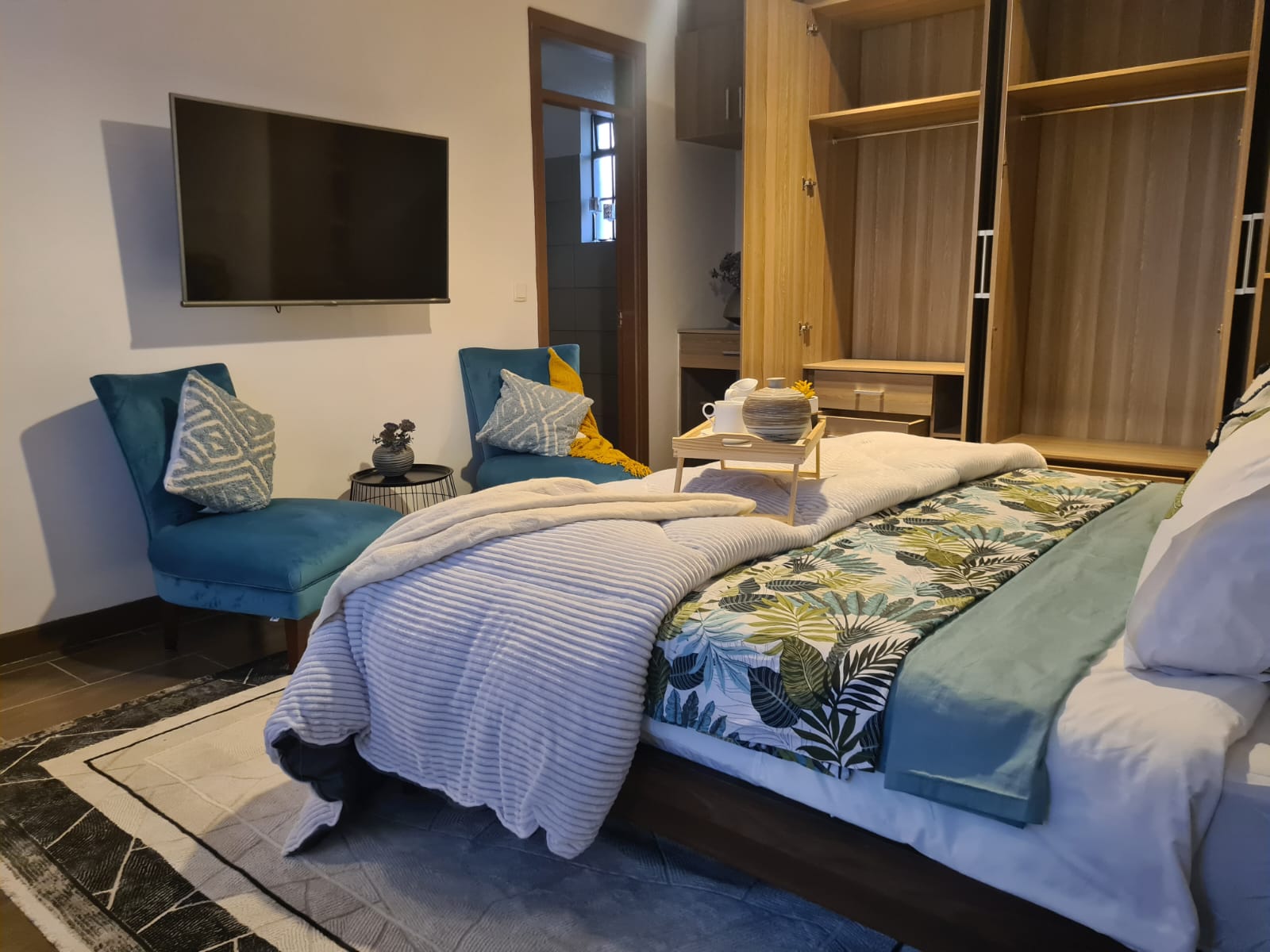
Choosing a place to call home is one of the most important decisions you’ll ever make. Whether you're renting, buying, or investing, your living space impacts your daily comfort, productivity, and long-term financial health. In this guide, we explore how to identify the ideal home for your needs, especially in Kenya’s fast-changing property market.
1. Know Your Budget
Start by determining how much you can afford. This includes:
-
Purchase or rental price
-
Monthly utilities
-
Maintenance costs
-
Service charges or levies (in gated communities or apartments)
Tip: Get pre-approved for a mortgage if you’re buying, or set a rental ceiling if you’re leasing.
2. Define Your Lifestyle Needs
Ask yourself:
-
Do I prefer a quiet or vibrant neighborhood?
-
Is proximity to work, school, or public transport essential?
-
Do I need a garden, parking, or extra security?
Your lifestyle preferences will influence the type of home that suits you best—whether it's a standalone house in Karen, a modern apartment in Kilimani, or a townhouse in Lavington.
3. Choose the Right Location
Location is more than geography—it’s about convenience, safety, and future value. Some key factors include:
-
Proximity to schools, hospitals, shopping centers, and roads
-
Security ratings of the neighborhood
-
Access to public transport and infrastructure
-
Neighborhood reputation and growth potential
Popular locations in Nairobi include: Kileleshwa, Westlands, Runda, Syokimau, and Parklands—each catering to different needs.
4. Understand Property Types
Kenya offers various property types. Choose based on your priorities:
-
Apartments: Suitable for urban living with shared amenities
-
Townhouses: Ideal for families in gated communities
-
Standalones: Great for privacy and customization
-
Serviced/Furnished units: Perfect for short-term convenience
-
Off-plan: Lower prices but requires patience and due diligence
5. Future-Proof Your Decision
Think ahead: Will your chosen space suit you in five years?
-
Can you easily sell or rent it out if needed?
-
Is there potential for property value appreciation?
-
Will your family size or career change in the near future?

6. Do a Thorough Inspection
Never rely solely on photos or online listings. Always:
-
Visit the property in person (or request a virtual tour)
-
Check the condition of walls, plumbing, lighting, and fittings
-
Evaluate noise levels, natural light, and ventilation
-
Speak to neighbors if possible for real insights
7. Work with a Trusted Real Estate Agent
Partnering with a licensed and experienced real estate agent helps:
-
Save time with vetted listings
-
Understand market value and pricing trends
-
Handle paperwork and legal checks
-
Negotiate better deals
8. Consider Legal and Ownership Documents
Before buying or leasing, ensure:
-
The title deed is genuine and free of encumbrances
-
Lease agreements or sale contracts are clear and fair
-
Service charge terms and responsibilities are disclosed
Consult a lawyer or property consultant for document verification.
Conclusion
Finding your ideal living space in Kenya doesn’t have to be overwhelming. With clear priorities, proper budgeting, and trusted guidance, you can secure a home that fits your present needs and future dreams.
Whether you're looking for a city apartment, a serene family home, or a solid investment, take the time to plan, research, and work with the right professionals.
Call to Action
Ready to find your perfect home in Kenya? Reach out to us today for expert advice, personalized listings, and property tours tailored to your needs.