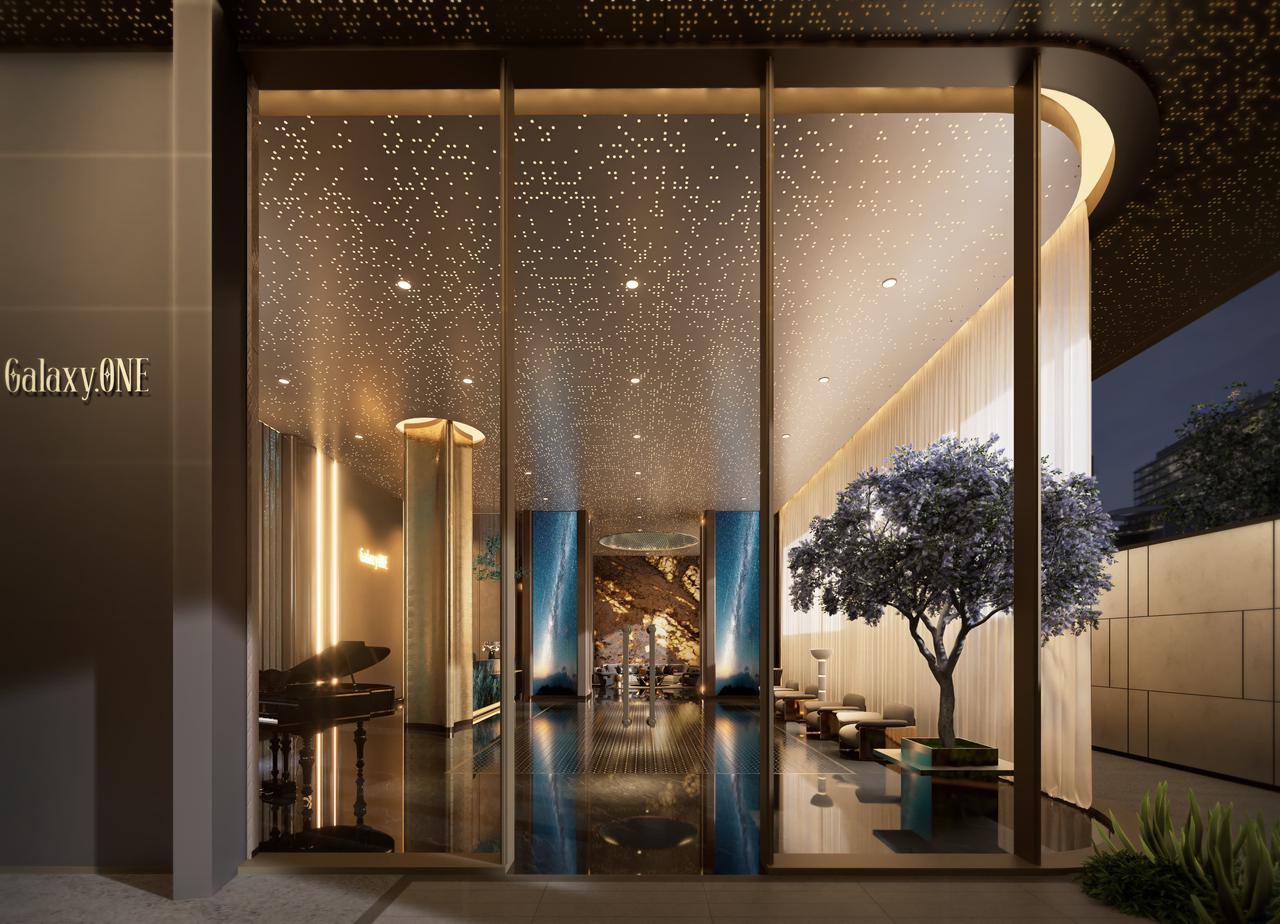
The Nairobi commercial landscape has hit a point of critical saturation. For years, Westlands was synonymous with Grade A office space, but in early 2026, the primary market friction is the high vacancy rate in aging commercial blocks contrasted against a severe shortage of executive residential units. I am observing a "Commercial Compression", a trend where developers are pivoting from office towers to high-density, luxury residential assets to serve the thousands of multinational employees who work in the district but are currently forced to commute from suburbs like Kileleshwa or Lavington.
This shift has made Westlands real estate the highest velocity residential market in Nairobi. The demand is no longer speculative; it is fueled by a captive audience of C-suite executives and digital nomads who prioritize proximity to their headquarters over traditional suburban acreage.
Is Westlands still a better investment than Kilimani in 2026?
Westlands real estate offers superior rental resilience and higher entry barriers, which protects investors from the "studio apartment glut" currently affecting Kilimani. While Kilimani targets the local mid-level professional, Westlands is the undisputed hub for the UN, diplomatic missions, and Fortune 500 regional staff. This demographic supports rental yields of 8.5% to 10.5% for premium 1 and 2-bedroom units, significantly outperforming the broader Nairobi average.
1. The Yield Ledger: 2026 Residential Performance
In 2026, the successful investor looks at "Net Occupancy" rather than just "Gross Rent." Westlands maintains the lowest vacancy rates for high-spec apartments due to its proximity to the city's main social and corporate infrastructure.
| Metric | Westlands (Executive Hub) | Kilimani (Mid-Level) | Tatu City (SEZ) |
| Avg. Rental Yield | 8.5% – 10.5% | 6.5% – 8.0% | 9.0% – 12.0% |
| Annual Appreciation | 6.0% – 8.5% | 3.0% – 4.5% | 12% – 15% |
| Occupancy Rate | 94% | 82% | 97% |
| Utility Uptime | 85% (Grid + Backup) | 75% | 99% (Independent) |
| Tenant Quality | Institutional / MNC | Individual | Corporate / Industrial |
2. Strategic Connectivity: The Expressway Moat
The Nairobi Expressway has fundamentally redefined the "Prime Location" status of Westlands. In 2026, the value of an asset here is directly tied to its distance from an Expressway interchange.
-
Airport Access: Residents can reach Jomo Kenyatta International Airport (JKIA) in under 18 minutes, bypassing the traffic congestion of the city center. This makes Westlands the only logical residential choice for the "fly-in, fly-out" executive class.
-
Western Bypass Synergy: The completion of the Western Bypass has opened up the Ruaka and Limuru corridors, allowing Westlands to function as the gateway to the Rift Valley while maintaining its status as a core city hub.
-
CBD De-linking: Westlands has effectively de-linked from the Nairobi CBD. It is now a self-sustaining ecosystem where one can live, work, and socialize without ever needing to enter the traditional city center.
3. The 2026 Economic Catalyst: Beyond the Office
The demand for Westlands real estate is driven by the density of regional headquarters. Companies like Google, Microsoft, and various UN agencies have solidified Westlands as the "Silicon Savannah's" executive residential quarters.
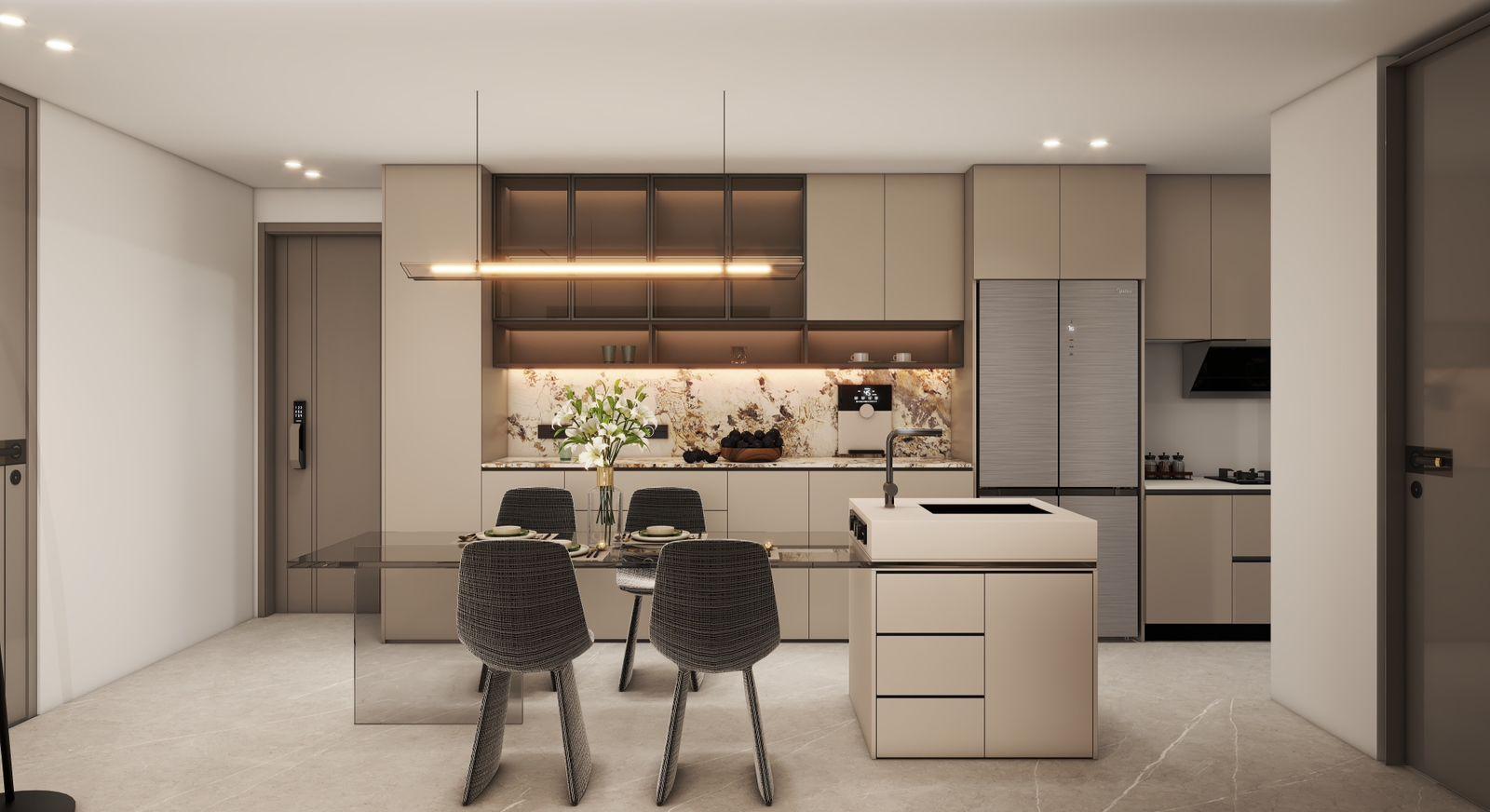
However, the 2026 angle is the rise of "Work-from-District" lifestyle. As firms adopt hybrid models, employees want to live within walking distance of their hubs. This has led to the success of projects that integrate lifestyle amenities think rooftop infinity pools and co-working lounges as standard features rather than luxuries.
External data from the Hass Consult Property Index and the Knight Frank Africa Report confirm that Westlands remains the most resilient neighborhood against currency fluctuations, as many leases are denominated or indexed to the USD.
4. Utility Sovereignty: The New Asset Class
In 2026, a luxury apartment without utility sovereignty is a distressed asset. High-end Westlands developments have moved toward "Vertical Sovereignty," ensuring that tenants are shielded from municipal failures.
-
Power Reliability: Most new-builds now feature 100% full-load backup generators and integrated solar water heating.
-
Water Independence: Given the strain on the city's water infrastructure, premium properties in Westlands utilize industrial-grade boreholes and reverse osmosis treatment plants.
-
Security Management: Security is handled by global firms, utilizing AI-driven surveillance and biometric access controls to meet the strict standards required for diplomatic clearance.
5. The "Honest" Section: Navigating Market Maturity
Westlands is a mature market, which means the "easy money" from land flipping is gone. Investors must now be strategic about Asset Management.
One challenge is the noise levels associated with a 24-hour economy. Properties located on the main arteries like Waiyaki Way or Rhapta Road can suffer from noise pollution. Clients to focus on properties in the "Inner Westlands" pockets, specifically areas like Lower Kabete and Riverside, where privacy is maintained despite the surrounding density. High entry prices are a reality here, but they serve as a market signal of the suburb's high liquidity and low risk.
6. Social Infrastructure: The Convenience Standard
The social density of Westlands is its greatest retention tool.
-
Healthcare: Proximity to Aga Khan University Hospital and The Nairobi Hospital (Warwick Center) ensures world-class medical access.
-
Education: Access to Westlands Primary and the various international kindergartens in the Riverside area.
-
Retail: The presence of Sarit Centre and Westgate Mall provides a retail and dining density unmatched anywhere in East Africa.
7. FAQs
Can Diaspora investors manage Westlands property remotely?
Yes. Modern property management firms utilize digital portals for rent collection and maintenance tracking. We facilitate end-to-end management for our clients at Ochieng Wycliffe.
What is the tax implication of owning property in Westlands?
Property owners are subject to Monthly Rental Income (MRI) tax at a flat rate, and Capital Gains Tax (CGT) upon sale. Commercial-zoned residential buildings may have different rates.
Is there a risk of oversupply in Westlands?
While there is an oversupply of office space, there is a distinct undersupply of high-spec executive apartments. The demand-supply gap in the residential sector remains wide.
What is the minimum entry point for a quality investment in Westlands?
In 2026, a high-quality 1-bedroom apartment in a managed building starts at approximately KES 11.5M to 14M.
Conclusion: Decision Clarity
Westlands has completed its transformation into a Tier-1 global neighborhood. For the investor who demands high liquidity, USD-linked returns, and institutional-grade tenants, Westlands real estate is the most stable residential bet in the Nairobi Metropolitan area. The "Commercial Compression" has created a window of opportunity to own residential assets that serve a corporate audience that isn't going anywhere.
Reach Out and Let Ochieng Wycliffe Help You Secure Your Future in Westlands
📞 0713595863 | 0722506632