The skyline of Westlands in 2026 is no longer a promise of things to come; it is a fully realized vertical economy. While other Nairobi suburbs have grappled with identity shifts, Westlands has doubled down on its status as the commercial and diplomatic nerve center of East Africa. For the serious investor, this suburb represents the most resilient "Institutional-Grade" opportunity in the city, provided one knows how to navigate the shift from commodity housing to high-performance serviced assets.
Our 2026 analytics reveal a clear trend: the "Utility Independence" benchmark is now the primary driver of capital appreciation and rental premiums. In a landscape where municipal services remain under pressure, buildings that operate as autonomous utility islands are capturing the lion's share of high-net-worth tenants.
Executive Summary: The Westlands Investment Outlook 2026
Westlands has evolved into a high-barrier-to-entry market dominated by corporate and expatriate demand. Success in 2026 hinges on targeting serviced apartments Westlands that offer total utility autonomy. With net rental yields for premium units stabilizing between 8.5% and 9.5%, the focus has shifted toward long-term corporate leases and "Utility Independence" to hedge against operating expense (OpEx) volatility.
1. The Economic Engine: Why Westlands Offices Drive Residential Yields
The fundamental law of real estate investment Kenya in 2026 is that residential value follows commercial density. Westlands is currently the largest office sub-market in Nairobi, and this has created a permanent supply-demand imbalance for high-quality housing.
The demand for Westlands offices for rent has reached a new peak this year. With global tech giants and regional diplomatic missions consolidating their headquarters in the area—specifically around the Global Trade Centre (GTC) and the Waiyaki Way corridor—the need for proximate, secure, and resilient housing is non-negotiable.
This is where the "Corporate Nexus" comes into play. An executive working in a Grade-A office tower expects their residence to mirror the technical standards of their workplace. They are not looking for an apartment; they are looking for a lifestyle extension that guarantees 100% uptime.
2. Luxury Real Estate Nairobi: Defining the "Utility Independence" Benchmark
In 2022, "luxury" was defined by Italian marble and heated pools. In 2026, luxury real estate Nairobi is defined by the Utility Independence Benchmark. This is a technical standard where a building provides its own high-quality water, consistent solar-hybrid power, and private security infrastructure without reliance on the municipal grid.
For the investor, "Utility Independence" is a financial safeguard. Buildings that meet this benchmark see:
-
Lower Churn: Tenants stay 40% longer because their daily life is never interrupted by outages.
-
Stable Service Charges: By utilizing solar-hybrid power for common areas, management companies can keep service charges flat, even as fuel and electricity prices fluctuate.
-
Higher ADR: In the short-stay market, "Full Backup Power" is the most filtered amenity on booking platforms.
When we vet property for sale in Nairobi, especially in the high-density pockets of Westlands, we prioritize developments that have moved away from manual diesel generators toward automated solar-inverter stacks and industrial-grade Reverse Osmosis (RO) water plants.
3. The Rise of Serviced Apartments Westlands: The 2026 Pivot
The most significant shift we’ve documented at Ochieng Wycliffe this year is the professionalization of the serviced model. The 2026 tenant is often a short-to-medium-term corporate consultant or a diplomatic staffer. They do not want to manage utility bills, internet subscriptions, or cleaning services.
Consequently, serviced apartments Westlands have become the preferred asset class for Diaspora investors seeking high-velocity cash flow.
The Yield Breakdown: Serviced vs. Unfurnished
-
Unfurnished 2-Bedroom: KES 140,000 – KES 160,000 per month (Net Yield: ~6.5%)
-
Serviced 2-Bedroom: KES 250,000 – KES 320,000 per month (Net Yield: ~9.2%)
While the OpEx for serviced units is higher, the "Utility Independence" of the building allows for a higher nightly or monthly rate that more than compensates for the management fee. However, the caveat is management. In 2026, self-managing a serviced unit from the Diaspora is no longer viable. Success requires an institutional property manager who can navigate the iTax rental income requirements and ensure the unit maintains a 5-star rating on corporate booking portals.
4. Location Specifics: Properties Near Westgate and Sarit Centre
In Westlands, proximity is the ultimate moat. The area around the Mwanzi Road and Peponi Road axis remains the most sought-after. Properties near Westgate/Sarit Centre command a "Walkability Premium" that is unique to this suburb.
The 2026 tenant wants to live in a "15-minute city." They want to walk to their coworking space, their gym, and their preferred international grocery store. This micro-location density ensures that even during market cooling periods, properties in this "Golden Triangle" maintain high occupancy rates.
For investors looking at off-plan developments Nairobi, we recommend focusing on projects within a 1km radius of these retail anchors. The land value here is at a premium, and supply is strictly limited, ensuring strong capital appreciation over the next five years.
5. Luxury Apartments Westlands: The 3-Bedroom Undersupply
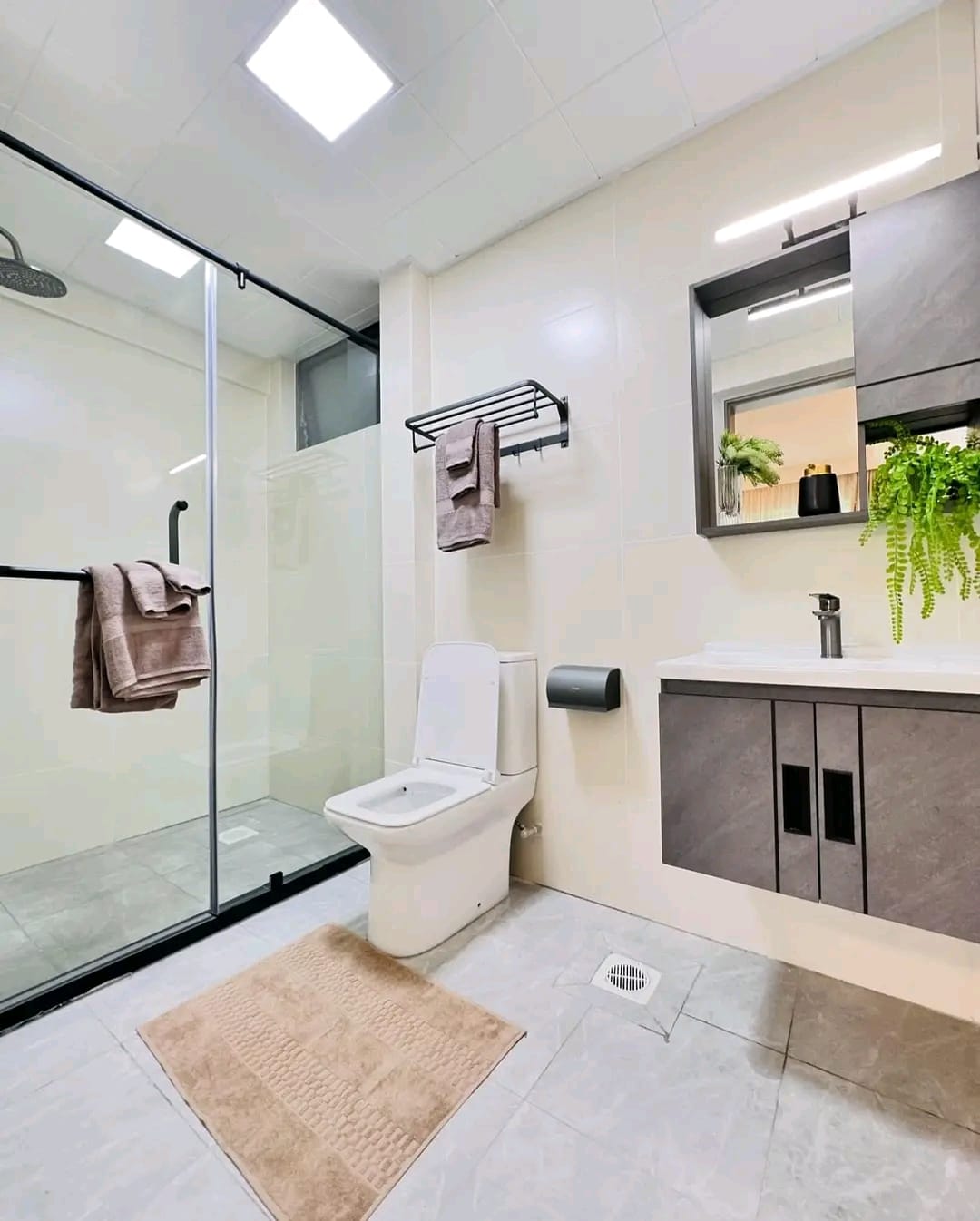
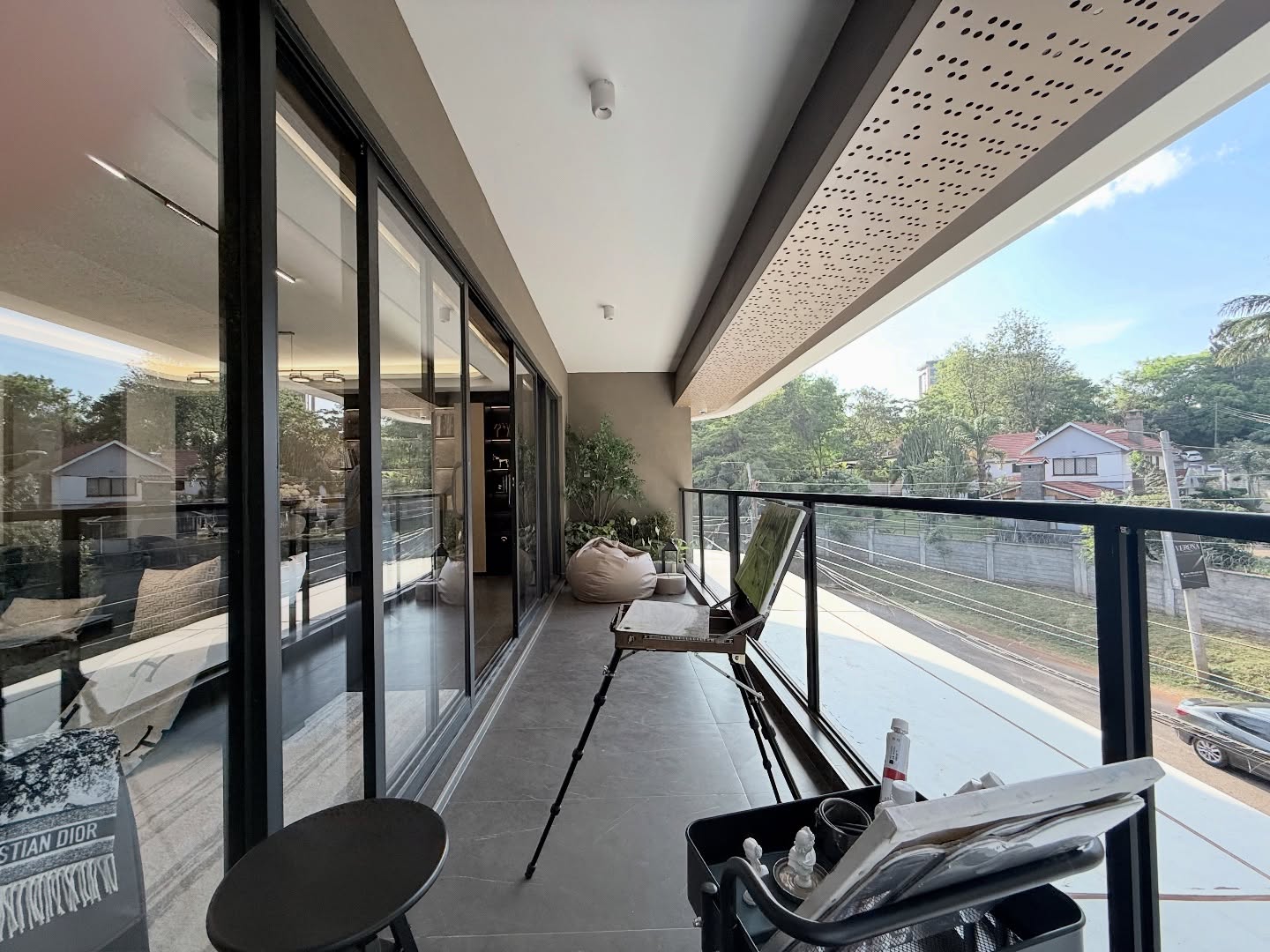
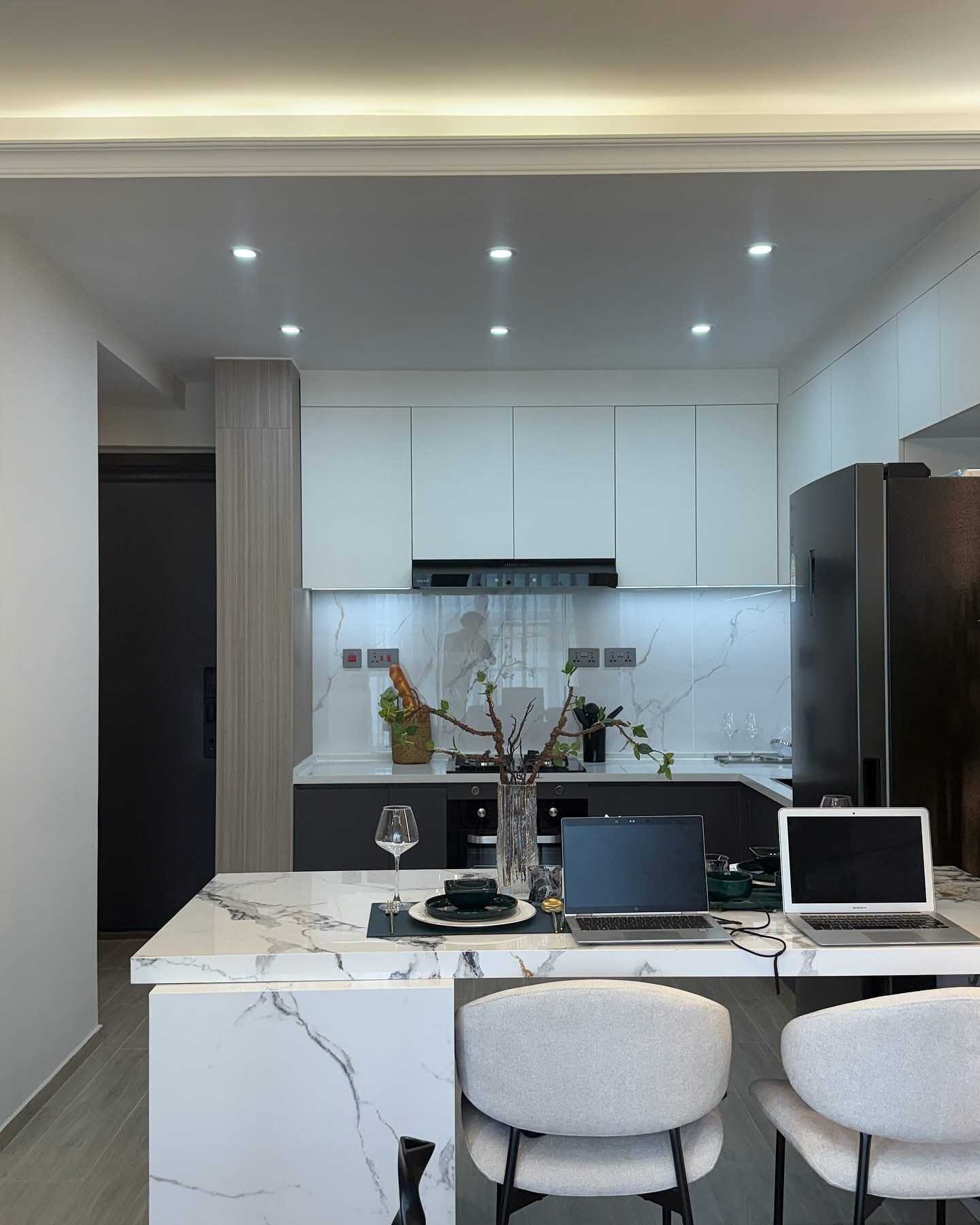
While the market for 1-bedroom units in Kilimani is highly competitive, Westlands is seeing a distinct undersupply of high-spec 3-bedroom units. In 2026, we are seeing more expatriate families opting for luxury apartments Westlands over standalone houses in suburbs like Runda or Karen.
The reason? Security and Resilience.
A high-rise apartment in Westlands with 24/7 armed response, a "Utility Independence" infrastructure, and proximity to international schools like ISK or Peponi (via the bypass) offers a level of convenience that a standalone house cannot match. For the investor, a premium 3-bedroom unit in a "Sovereign" building is a high-liquidity asset that attracts long-term corporate leases from embassies and multinational firms.
6. Real Estate Investment Kenya: Navigating the 2026 Regulatory Landscape
As a Senior Analyst, I must emphasize that the "Alpha" in 2026 is not just found in the asset, but in the compliance. The Kenya Revenue Authority (KRA) has fully integrated the eTIMS system for rental income.
-
Tax Efficiency: Investors must now ensure their property managers are issuing eTIMS-compliant invoices.
-
MRI vs. ARI: Understanding the difference between Monthly Rental Income (MRI) tax and Annual Rental Income (ARI) tax for non-residents is critical to protecting your net margins.
-
Utility Audits: New zoning laws in Westlands now require buildings over a certain height to prove their "Utility Autonomy" before an occupation certificate is issued. Buying into a project that ignores these regulations is a major capital risk.
7. The 2026 Strategic Verdict
Westlands is no longer a suburb for the speculative "flipping" market. It has matured into an institutional-grade asset class. To win here in 2026, you must stop thinking like a landlord and start thinking like a hospitality provider.
The "Utility Independence" Benchmark is the only way to ensure your asset remains relevant in a crowded market. Whether you are looking at apartments for sale in Westlands or a broader real estate investment Kenya strategy, the focus must remain on reliability, resilience, and corporate-grade service.
Our role is to filter the noise. We identify the projects that don't just promise luxury, but deliver the autonomy that the 2026 market demands.
Reach Out and Let Ochieng Wycliffe Help You Secure Your 2026 Future
📞 0713595863 | 0722506632