The Nairobi metropolitan real estate market has shifted from speculative land buying to infrastructure-led urban development. In 2026, smart capital is moving toward Special Economic Zones (SEZ) that offer more than just four walls and a roof. Investing in Tatu City has become the primary hedge for investors seeking to escape the congestion and unpredictable zoning of Nairobi’s traditional suburbs. As a professional property advisor, I have watched Tatu City transition from a master-planned vision into a functional, revenue-generating city that operates with its own rules, utilities, and economic momentum.
For the modern investor, the appeal of projects like Jabali Towers or Porini Point lies in the removal of typical Kenyan real estate "headaches." Here, the infrastructure is already in the ground—not promised for the future. We are seeing a massive migration of both multinational companies and upper-middle-class families who prioritize order, security, and world-class amenities. This is no longer a peripheral option; it is the new center of gravity for Kiambu and Northern Nairobi.

What is the investment potential of Tatu City in 2026?
Investing in Tatu City currently offers a strategic advantage through its Special Economic Zone status, providing corporate tax incentives that drive high industrial and commercial occupancy. For residential investors, projects like Jabali Towers and Porini Point yield between 7% and 9% in annual rental returns, bolstered by a captive tenant base of professionals working within the city’s 70+ businesses and international schools.
The Transformation: Why Tatu City Matters Now
Tatu City is a 5,000-acre mixed-use development that represents the first operational private Special Economic Zone in Kenya. In 2026, its relevance is anchored by the "Reverse Commute" phenomenon. While most of Nairobi struggles with traffic flowing toward the CBD, Tatu City has created its own internal economy. With over 75 global and local companies—including Copia, Chandaria Industries, and Twiga Foods—already operational, the demand for high-quality housing has outpaced supply.
The current 2026 angle is the maturation of the city’s residential nodes. Early adopters who bought land have seen significant capital appreciation, and the focus has now shifted to high-density, high-spec vertical living. Investors are no longer just buying "space"; they are buying into a managed ecosystem where water, power, and security are guaranteed 24/7, making it a "blue-chip" asset in any Kenyan portfolio.
Strategic Location and Connectivity
One of the most significant drivers for investing in Tatu City is its unparalleled access to the rest of the country. Strategically located between the Northern Bypass and the A2 Thika Superhighway, Tatu City serves as a logistical bridge between Nairobi and the growing agricultural and industrial hubs of Central Kenya.
-
The Northern Bypass Advantage: This allows residents and businesses to reach the Jomo Kenyatta International Airport (JKIA) in under 30 minutes without crossing the Nairobi CBD.
-
A2 Thika Superhighway: Provides a direct link to the city’s commercial arteries and other affluent suburbs like Muthaiga and Runda.
-
Internal Infrastructure: Tatu City features over 20km of internal paved roads, dedicated cycling tracks, and pedestrian walkways that set a new standard for urban mobility in Kenya.
Work, Business, and Economic Activity
The strength of any residential investment is the "Jobs Per Household" ratio. Tatu City is the only satellite city in East Africa that successfully combines a massive industrial park with luxury residential living. The Special Economic Zone (SEZ) status provides a 10% corporate tax rate for the first 10 years, which has attracted a high-income professional class.
This professional class is the primary tenant for luxury apartments like Jabali Towers. These are individuals who work in management at the onsite logistics hubs or the nearby international schools. Because they work within the city, they are willing to pay a premium to live within the city, resulting in exceptionally low vacancy rates and high-quality tenant profiles.
Lifestyle, Leisure, and World-Class Amenities
Convenience is the ultimate luxury in 2026. Tatu City is designed as a "15-minute city," where every essential service is within reach.
-
Retail and Dining: The Tatu Central district features modern shopping malls, cafes, and restaurants that cater to an international demographic.
-
Green Spaces: Over 30% of the city is dedicated to parks and open green spaces, a stark contrast to the concrete density of Kilimani or Westlands.
-
Utilities: Residents enjoy "World Bank Standard" utilities, including a dedicated 66kV power substation and an independent water supply system.
For those comparing this lifestyle to more traditional Nairobi suburbs, my Nairobi Location Comparison Guide provides a detailed breakdown of how satellite cities are beginning to outperform traditional luxury nodes.
Housing Types and Real Estate Options: Jabali Towers and Porini Point
The residential market in Tatu City has evolved into distinct segments. Two of the most talked-about developments in 2026 are Jabali Towers and Porini Point.
Jabali Towers
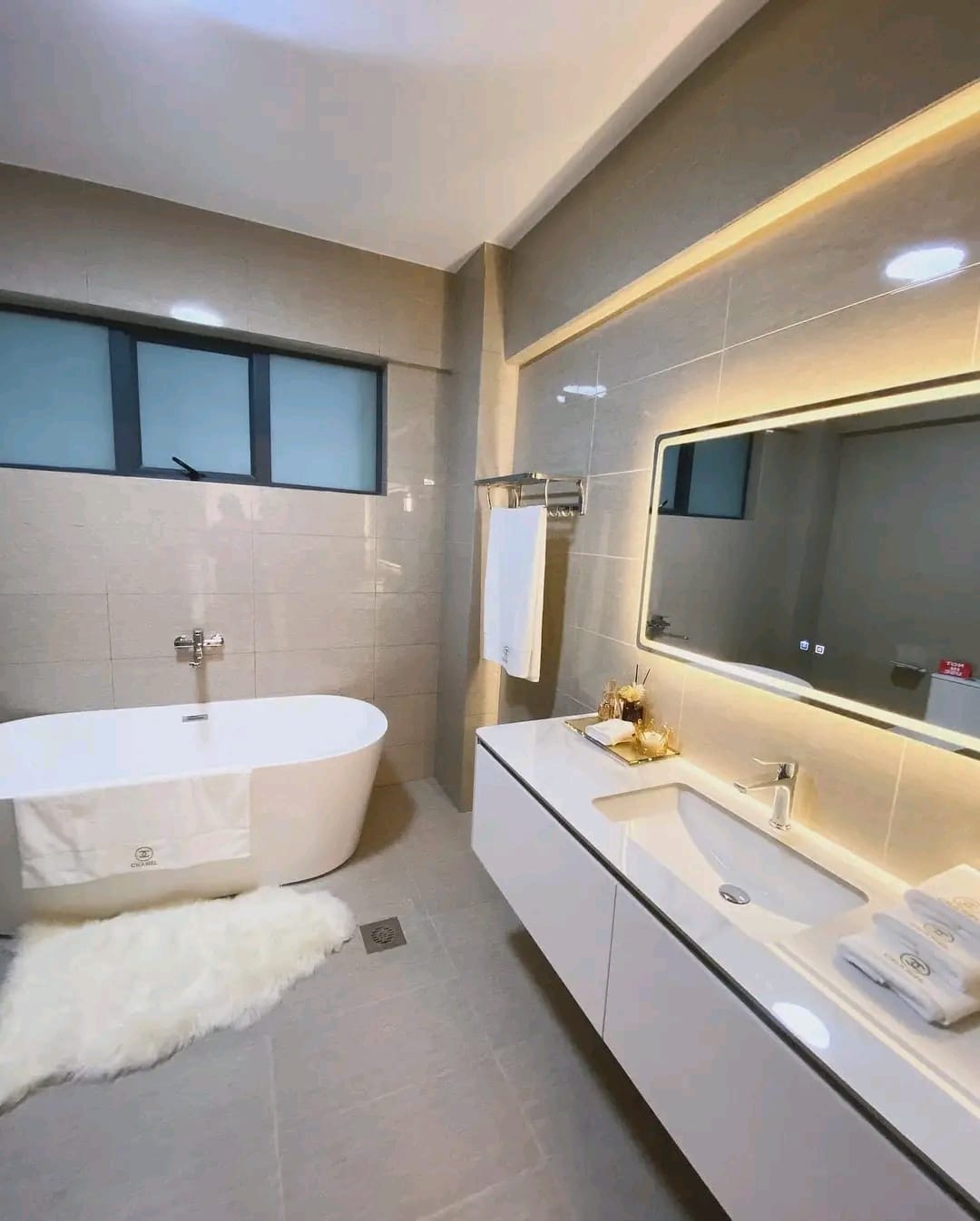
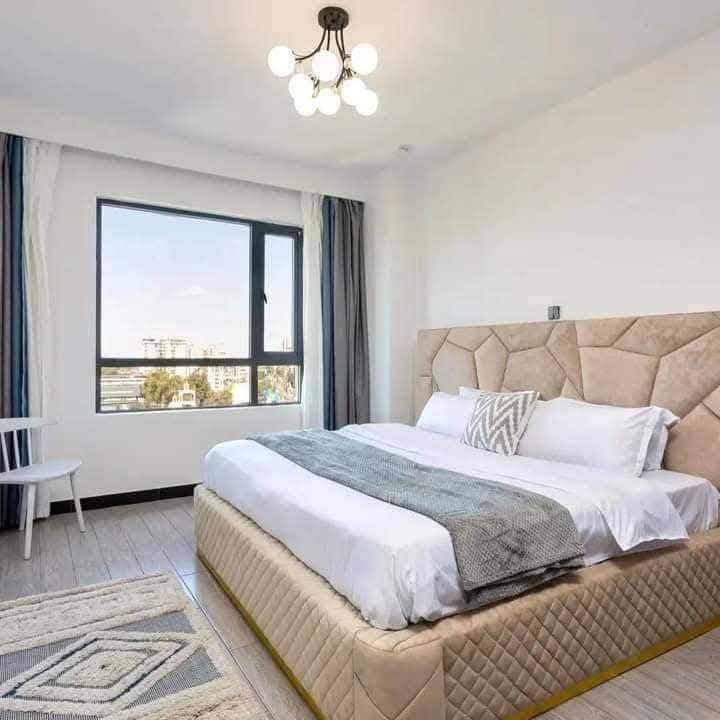
Jabali Towers represents the "Executive Tier" of apartment living. These units are designed for the modern professional, offering 1, 2, and 3-bedroom options with high-end finishes. They are particularly popular with the diaspora and expatriate community due to their modern architectural language and comprehensive amenity list, including rooftop lounges and fitness centers.
Porini Point
Porini Point caters to a lifestyle that balances affordability with high-value returns. These units are often positioned as entry-level investment grade properties, perfect for those starting their journey of investing in Tatu City. They leverage the city's shared infrastructure while providing a private, secure residential environment that feels connected to nature.
Investment Analysis: The Data-Driven Case
Investing in this region requires a look at the hard numbers. As of 2026, the data indicates three primary wealth-building pillars:
-
Rental Yields: Residential units in Tatu City are consistently yielding 7% to 9% gross. When compared to the 5% average in more saturated parts of Nairobi, the advantage is clear.
-
Capital Appreciation: Land values within Tatu City have seen a 15-20% annualized growth over the last three years. As the city approaches full occupancy, the value of built units is expected to follow this trajectory.
-
SEZ Benefits: For corporate entities, the SEZ benefits are a direct injection into the bottom line, which indirectly supports the high demand for executive housing.
Education and Healthcare Access
For family-oriented buyers, Tatu City is an educational powerhouse. It is home to Nova Pioneer and Crawford International School, two of the most sought-after schools in the region. Having these institutions within the city walls creates a "captive" rental market of parents and faculty who refuse to deal with external traffic.
Healthcare is equally robust, with plans for a multi-specialty hospital that ensures residents have access to emergency and specialized care without leaving the SEZ.
Pros and Cons: A Balanced View
The Pros
-
Stability: Private management means no issues with garbage collection, street lighting, or water shortages.
-
Zoning Security: You never have to worry about a skyscraper being built illegally in your backyard.
-
Safe Commute: High-grade security and CCTV throughout the city allow for a safe, walkable environment.
The Cons
-
Entry Price: The "premium" for infrastructure means entry prices are higher than in the unmanaged suburbs surrounding Tatu City.
-
Developing Phase: While much is finished, some areas are still under construction, which can be a temporary noise factor.
FAQs Section
1. Can foreigners own property in Tatu City?
Yes, property in Tatu City is held on a long-term leasehold basis, similar to most urban land in Kenya, and is open to both local and international investors.
2. What is the difference between Jabali Towers and Unity Homes?
While both offer quality, Jabali Towers focuses more on a high-rise, executive apartment feel, whereas Unity Homes has traditionally focused on lower-density, family-oriented community living.
3. Is there a service charge in Tatu City?
Yes, like any managed estate, there is a service charge that covers the maintenance of the world-class roads, security, and common areas. This is why the city remains in pristine condition.
4. How long does it take to get to Westlands?
Via the Northern Bypass, the drive to Westlands typically takes 25 to 35 minutes outside of peak rush hour.
Conclusion: Positioning Your Capital for 2026
Investing in Tatu City is a move toward institutional-grade real estate. As Nairobi becomes more crowded, the value of "managed space" will only increase. Projects like Jabali Towers and Porini Point offer a tangible way to participate in Kenya’s industrial and residential future. Whether you are a first-time investor or a seasoned fund manager, Tatu City provides the stability and growth that traditional Nairobi suburbs can no longer guarantee.
Reach Out and Let Ochieng Wycliffe
Help You Secure Your Investment in Tatu City
Ready to explore Jabali Towers or Porini Point? Let’s conduct a portfolio analysis to see which project fits your long-term goals.
📞 0713595863 | 0722506632