Kilimani has transitioned from a mere residential suburb into a dense, high-functioning urban ecosystem. It remains the preferred address for the city’s middle class, the Kenyan diaspora, and a growing expatriate community. However, the cost of living here is no longer a simple calculation of rent and groceries. It is a sophisticated interplay of infrastructure levies, digitized utility management, and a premium placed on security and proximity.
As the Nairobi City County government pushes toward a more structured urban management system, the financial profile of a Kilimani resident has evolved. This audit provides a forensic deep-dive into the actual cost of living in Kilimani in 2026, providing the data-dense insights required for both residents and buy-to-live investors.
1. The Housing Pillar: Rent, Service Charges, and the 2026 Tax Impact
Housing remains the most significant expenditure for anyone living in Kilimani. By 2026, the market has moved beyond the speculative bubble of the early 2020s into a phase of price stabilization. However, the composition of "housing costs" has become more complex due to regulatory shifts.
Rental Dynamics for 2026
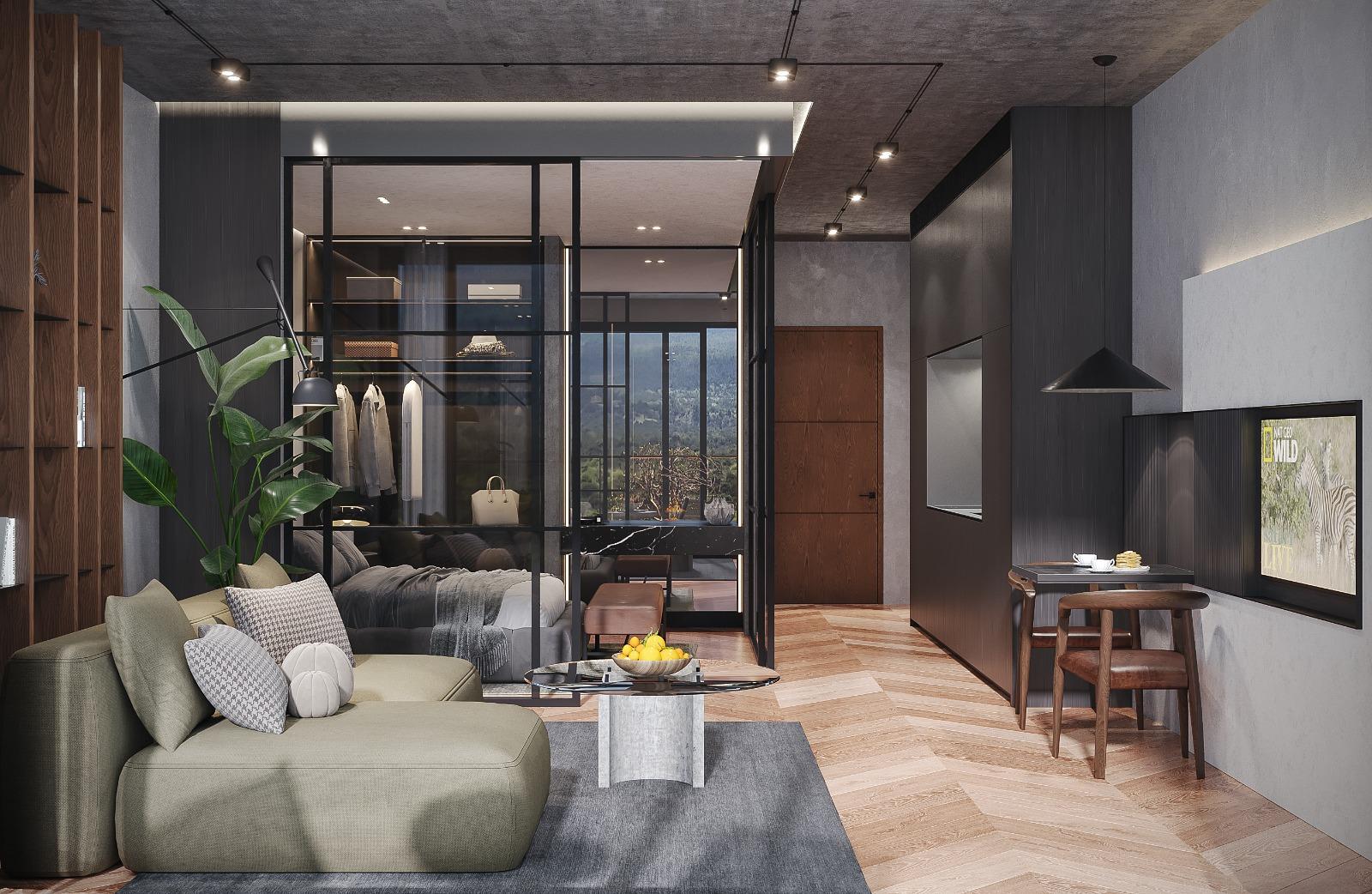
The demand for compact, efficient living has driven up the cost of one-bedroom apartments and studios. A standard, modern one-bedroom unit in the Kindaruma or Wood Avenue corridors now commands between KES 65,000 and KES 85,000 per month. These units are typically favored by young professionals who value the "lock-up-and-go" lifestyle.
For those requiring more space, two-bedroom apartments—the "Kilimani Standard"—range from KES 95,000 to KES 140,000, depending on the age of the building and the suite of amenities provided. Three-bedroom units, often featuring a Domestic Staff Quarter (DSQ), have seen prices stabilize between KES 130,000 and KES 190,000. In 2026, the premium is no longer just on square footage but on the "Vertical Advantage"—higher floors that offer relief from the street-level bustle and better air quality.
The Escalation of Service Charges
A critical and often overlooked cost in 2026 is the service charge. With the professionalization of property management under the Sectional Properties Act 2026, "casual" management has been replaced by institutional-grade facilities management. Residents now pay a monthly service charge ranging from KES 10,000 to KES 25,000. This fee covers the maintenance of high-speed elevators, 24/7 manned security, gym facilities, and the increasingly common heated rooftop pools. In 2026, a "low service charge" is often a red flag for poor maintenance, leading residents to prefer blocks with transparent, albeit higher, management levies.
The 0.3% Property Tax and Its Pass-Through
The introduction of the 0.3% annual residential property tax by the Nairobi City County has subtly influenced the cost of living. While this is a direct cost to the property owner, it is often "passed through" to the tenant in the form of annual rent increments. Residents should budget for a 3% to 5% annual increase in housing costs to account for these localized fiscal pressures.
2. Utilities: The Cost of Energy, Water, and Digital Connectivity
Kilimani residents enjoy some of the most reliable utility infrastructure in the country, but this reliability comes with a modernized price tag.
Electricity and the "Green Premium"
Power costs in 2026 are managed predominantly through prepaid smart meters. For a typical two-bedroom household with standard appliances, a monthly budget of KES 6,000 to KES 10,000 is common. However, many newer developments in Kilimani have integrated solar water heating and common-area lighting. While this reduces the individual electricity bill, it often leads to a slightly higher service charge. Residents must balance their direct power consumption against the "Green Premium" offered by modern, energy-efficient blocks.
Water: From Scarcity to Managed Supply
The water narrative in Kilimani has improved significantly by 2026, thanks to the completion of several northern collector tunnel projects. However, the cost of water is now more strictly metered. A household can expect to spend between KES 2,500 and KES 4,500 per month on water. The era of "unlimited" water is over; smart metering ensures that residents pay for exactly what they consume, encouraging a culture of conservation.
High-Speed Connectivity
For the "Work-From-Home" demographic, high-speed internet is a non-negotiable utility. In 2026, fiber-to-the-home (FTTH) is the standard in Kilimani. Premium packages offering 50Mbps to 100Mbps range from KES 5,500 to KES 11,000 per month. Most residents also maintain a secondary 5G data plan for mobility, adding another KES 2,000 to their monthly digital budget.
3. Transportation and Mobility: The Logistics of Urban Living
Kilimani’s central location is its greatest cost-saving asset, but the mechanics of moving through Nairobi in 2026 still carry a significant price.
The Expressway and Toll Costs
The Nairobi Expressway has redefined commuting for Kilimani residents. For those working in Westlands, the CBD, or the Airport, the Expressway is a daily necessity. A round-trip toll can cost between KES 360 and KES 600. For a daily commuter, this adds a monthly "Mobility Tax" of approximately KES 10,000 to KES 15,000.
Fuel and Private Vehicle Ownership
Fuel prices in 2026 remain a volatile factor in the cost of living. A resident using a private SUV or sedan for local errands and a daily commute should budget between KES 15,000 and KES 25,000 per month for fuel. Additionally, parking fees in Kilimani have become more regulated, with "on-street" parking now strictly enforced by the county’s digital payment system, costing KES 200 to KES 300 per day.
Ride-Sharing and the 15-Minute City
The true Kilimani lifestyle involves minimal driving. Many residents rely on ride-sharing apps, which are highly efficient in this area. A typical 3km to 5km trip within Kilimani or to neighboring Kileleshwa costs between KES 350 and KES 600. For an active social or professional life without a private car, a monthly ride-sharing budget of KES 15,000 is a realistic baseline.
4. Food, Groceries, and the "Expat Premium"
The cost of nutrition in Kilimani is highly elastic, depending on where one chooses to shop. The suburb offers a spectrum ranging from high-end gourmet supermarkets to traditional open-air markets.
Supermarket Shopping
Anchor retailers like Chandarana Foodplus at Yaya Centre and Carrefour at Prestige Plaza cater to the premium end of the market. A monthly grocery basket for a family of three, focused on high-quality produce, imported goods, and household essentials, averages between KES 40,000 and KES 65,000.
The Local Advantage
Strategic residents often "bridge" their costs by sourcing fresh produce from the Kilimani organic markets or the neighboring Toi Market. Sourcing fruits, vegetables, and grains from these traditional vendors can reduce the monthly food spend by up to 30%, bringing a healthy, locally-sourced diet down to a more manageable KES 25,000 to KES 35,000.
Dining and Socializing
Kilimani is Nairobi’s culinary heart. The cost of a meal for two at a mid-range restaurant like Cj’s or Sierra Brasserie averages between KES 4,000 and KES 7,500, including drinks. For a resident who dines out twice a week and enjoys the neighborhood’s vibrant café culture, a monthly leisure budget of KES 30,000 to KES 50,000 is common.
5. Education and Healthcare: The Infrastructure of Well-being
Living in Kilimani provides immediate access to some of the best private infrastructure in East Africa, though these services are priced at a premium.
Educational Costs
For families, Kilimani is home to numerous international-standard kindergartens and primary schools. School fees for premium private institutions in the area range from KES 150,000 to KES 450,000 per term. While some residents opt for slightly more affordable private schools in the neighboring Ngong Road area, the convenience of a local school remains a major driver of residency.
Healthcare Access
The presence of The Nairobi Hospital Outpatient Centre at Warwick Centre and various specialized clinics means world-class healthcare is minutes away. A standard consultation with a specialist in Kilimani costs between KES 4,000 and KES 8,000 per visit. Most residents rely on comprehensive private medical insurance, which for a family of four in 2026, carries an annual premium ranging from KES 120,000 to KES 250,000.
6. Security and Lifestyle Maintenance
While Kilimani is generally safe, the "Security Premium" is a standard part of the cost of living.
Private Security
Most apartment blocks include security in the service charge, but residents in standalone houses or older courts often employ additional private security services. A professional guard service for a private residence costs between KES 35,000 and KES 55,000 per month.
Wellness and Fitness
Kilimani has the highest concentration of premium gyms and yoga studios in Nairobi. A monthly membership at a top-tier gym like Racing Safaris or a boutique CrossFit box ranges from KES 8,000 to KES 15,000.
7. The Final Verdict: The 2026 Kilimani Household Budget
To live a comfortable, middle-class lifestyle in Kilimani in 2026, a single professional should expect a total monthly expenditure of approximately KES 180,000 to KES 250,000. For a family of three, this figure rises to between KES 350,000 and KES 550,000, depending on school fees and mobility choices.
While these figures are higher than the Nairobi average, the "Kilimani Value Proposition" lies in the efficiency of the lifestyle. The ability to live, work, and play within a 2km radius reduces the "Hidden Tax" of time wasted in traffic—a factor that, for the modern Nairobi resident, is often more valuable than the financial cost itself.
Navigating the costs of Nairobi’s most dynamic neighborhoods requires more than just a spreadsheet; it requires localized market intelligence. At the desk of Ochieng Wycliffe, we provide the analytical framework to help you make informed decisions about where to live and where to invest.
Ready to move to Kilimani or looking for a high-yield investment?
Book a Private Consultation with Us: 0713595863 | 0722506632